
A North Texas town is demanding more than $2.3 million from a privacy advocate seeking public records about its use of Flock Safety's automated license plate surveillance system, raising new questions about public access to records involving the controversial technology.
North Richland Hills, a Fort Worth suburb, issued the estimate after technology worker and privacy advocate Phil Mynona requested communications concerning errors, potential misuse and the effectiveness of the city's Flock cameras.
Mynona, who uses a pseudonym and filed the request on behalf of the Texas Privacy Coalition, has submitted nearly identical requests to almost 200 law enforcement agencies across Texas. North Richland Hills estimated that reviewing approximately one terabyte of records would require more than 14 years of labor at $15 per hour, producing the $2.3 million bill.
Mynona called the estimate “ludicrous,” saying other agencies have provided comparable records for little or no cost. Sealy, for example, recently turned over more than 400,000 pages of records without charging him.
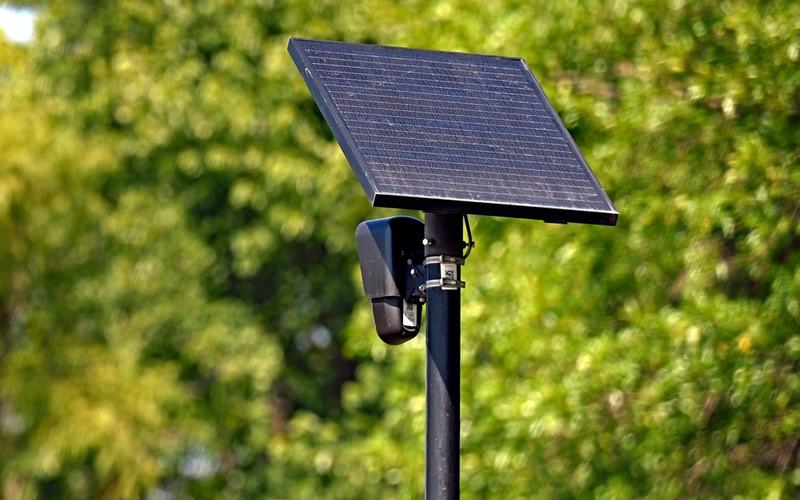
The size of North Richland Hills' estimate comes as Flock's automated license plate readers face increasing scrutiny across Texas. The cameras record license plates and other vehicle characteristics, including the make, model, bumper stickers and visible damage, while allowing participating law enforcement agencies to search information collected through connected camera networks.
Public records have also exposed cases involving alleged misuse of the system. A Lufkin police officer was sentenced to five years in federal prison after pleading guilty to 100 felony counts related to using official information obtained through Flock cameras to stalk multiple people.
Texas Gov. Greg Abbott cited the Lufkin case as part of the reason for a state crackdown on the technology. His administration blocked state funding for Flock cameras in August, and Texas later paused certain installations along state highways.
Other Texas agencies have also attached substantial costs to requests for Flock records. The Harris County Sheriff's Office quoted a $121,000 fee for one request, while Irving reportedly sought $70,000 for records that Carrollton provided without charge.
The Texas Department of Public Safety has separately restricted access to some Flock-related information. After initially releasing records showing searches conducted by DPS and thousands of other agencies, the department later limited the information it disclosed and sought permission from the Texas Attorney General's Office to withhold the search data entirely.
Flock Safety maintains that law enforcement agencies can voluntarily publish information about their surveillance programs through transparency portals provided by the company. Those portals can include agency policies, usage information, and access rules.
However, only 59 Texas agencies use the portals, and just 16 make their search records publicly available, according to an analysis of the available information.
The dispute in North Richland Hills highlights a broader fight over how much the public should be able to see about a surveillance network that allows law enforcement agencies to track and search vehicle movements across jurisdictions, particularly as officials face growing concerns over both legitimate police use and potential abuse of the technology.

Comments
No comments yet. Be the first to share your thoughts.