
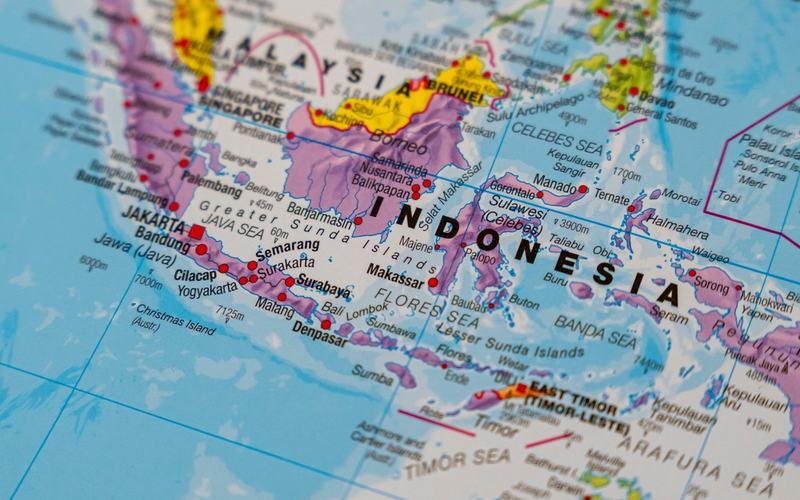
Indonesia battled ongoing toxic haze from widespread wildfires on October 3, with smoke blanketing parts of Borneo and Sumatra and drifting to neighboring countries. The crisis, intensified by a strong El Niño weather pattern, has led to hundreds of thousands of respiratory illness cases and school closures.
Health Ministry data showed nearly 175,000 respiratory infections recorded between mid-August and late September across seven affected provinces. More than 40,000 cases involved toddlers. Over 13 million people have been exposed to the smoke, with air quality indices reaching hazardous levels in multiple areas.
Fires have burned approximately 900,000 hectares since January, according to the independent monitoring platform Nusantara Atlas. This figure exceeds prior years and ranks among the worst seasons in over a decade. Drained peatlands, often cleared for palm oil and pulp plantations, have fueled the blazes, as the dried material burns underground and resists extinguishment.
Indonesian authorities deployed more than 54,000 personnel and dozens of aircraft for water bombing and cloud seeding operations. Japan provided additional firefighting support with helicopters and crew. Officials revoked permits for companies linked to illegal burning and investigated hundreds of cases.
The haze reached Malaysia, Singapore, and the Philippines, prompting emergency declarations in some Malaysian towns and rising asthma reports in the region. Economic losses from health impacts and disruptions were estimated in the tens of trillions of rupiah.
Forestry Minister Raja Juli Antoni stated that the peak threat period extended into September, with rains possibly delayed until early October or November. Annual dry season fires have recurred despite past prevention efforts, highlighting ongoing challenges from land use practices and climate conditions.

Comments
No comments yet. Be the first to share your thoughts.