
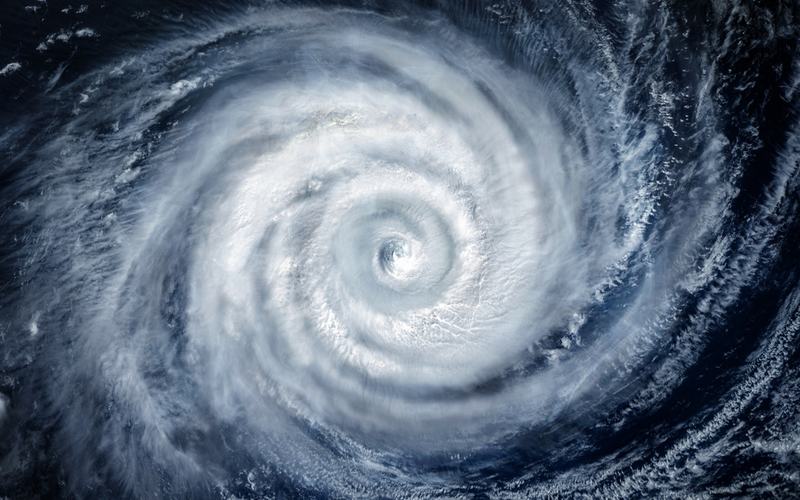
Tropical Storm Trudy formed in the Eastern Pacific on Tuesday, becoming the 22nd named storm of the 2026 Pacific hurricane season as an unusually active stretch of powerful storms continues near Mexico. The National Hurricane Center expects Trudy to strengthen rapidly into a major hurricane as it approaches southwestern and west-central Mexico later this week, although the precise location and severity of any land impacts remain uncertain.
As of Wednesday morning, Trudy had maximum sustained winds of 60 mph and was moving west-northwest at approximately 13 mph. The storm was located about 375 miles south of Acapulco and 610 miles southeast of Manzanillo, according to the National Hurricane Center. Forecasters expect it to become a hurricane soon, with conditions favorable for further intensification.
The storm's development comes amid exceptionally active conditions across the Eastern Pacific. Meteorologists have pointed to unusually warm ocean waters and a strong El Niño climate pattern as factors contributing to favorable conditions for storm development and intensification. However, Trudy's eventual strength and path will depend on how the storm interacts with its surrounding atmospheric and ocean conditions.
The National Hurricane Center warned residents in southwestern and west-central Mexico to continue monitoring Trudy's progress. Although no coastal watches or warnings were in effect as of Wednesday morning, forecasters said the storm could approach the coastline late in the week and into the weekend, bringing potential threats from strong winds, heavy rainfall, and storm surge.
Trudy is developing while Mexico is already dealing with Hurricane Simon in the Pacific. The storms have added to a season marked by multiple powerful systems and significant rainfall threats across the country's western and southwestern regions.
The broader season has set a record for Eastern and Central Pacific storm activity, measured by the cumulative duration of strong winds, surpassing the previous record set in 2018. Meteorologists have cited the combination of a strong El Niño and warmer ocean conditions as contributing factors.
With Trudy forecast to intensify over the coming days, officials and residents along Mexico's Pacific coast face renewed uncertainty over where the storm may approach land and how severe its effects could become. Forecasters continue to stress that the exact location and magnitude of potential impacts remain uncertain, making updated official advisories important as the system develops.

Comments
No comments yet. Be the first to share your thoughts.