
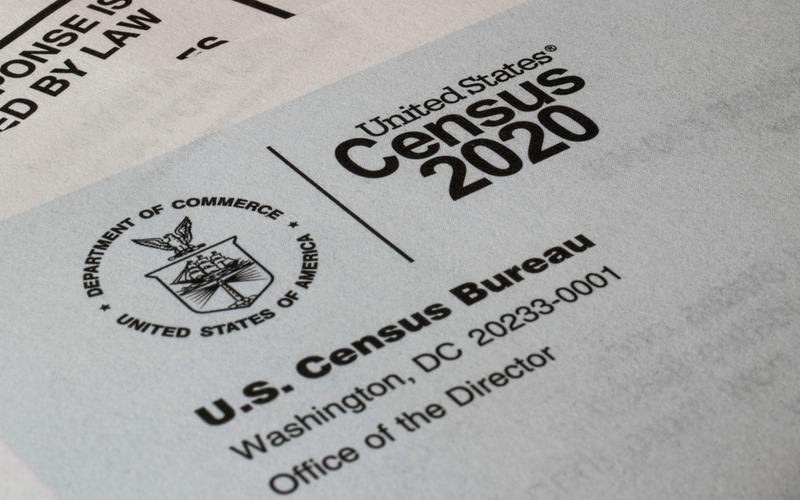
The Trump administration released a proposal Wednesday calling for major changes to how the Census Bureau will conduct the 2030 national head count. The plan seeks to exclude non-U.S. citizens without green cards from certain results that determine each state's share of House seats and Electoral College votes.
Officials also want to end the collection of race and ethnicity data on the census form for the first time since 1790 and prohibit questions about sexual orientation. These steps would reshape the data available for drawing voting districts at every level of government.
The proposal builds on long-standing Republican efforts to base apportionment and redistricting on citizen populations rather than total population counts that include all residents regardless of legal status. Supporters argue the changes would produce more accurate reflections of the eligible voting population and prevent distortions from large numbers of noncitizens in certain states.
Previous attempts during the first Trump term to add a citizenship question faced court challenges and were blocked. The new draft rule, circulated by the Commerce Department, which oversees the Census Bureau, faces similar legal hurdles because the 14th Amendment requires counting the whole number of persons in each state for apportionment purposes.
Advocates for the reforms point to concerns over noncitizen voting and the need for reliable citizenship data to enforce election laws. Critics, including civil rights groups, warn that removing race and ethnicity questions would hinder enforcement of voting rights protections and make it harder to identify potential discrimination in district maps.
The changes would also affect how federal funding is allocated for public services. The administration has not detailed the exact implementation timeline or response to expected lawsuits.
This latest move comes amid broader administration actions on immigration enforcement and election security, including efforts to verify citizenship for mail ballots. The proposal remains subject to public comment and potential revisions before final adoption.

Comments
No comments yet. Be the first to share your thoughts.