
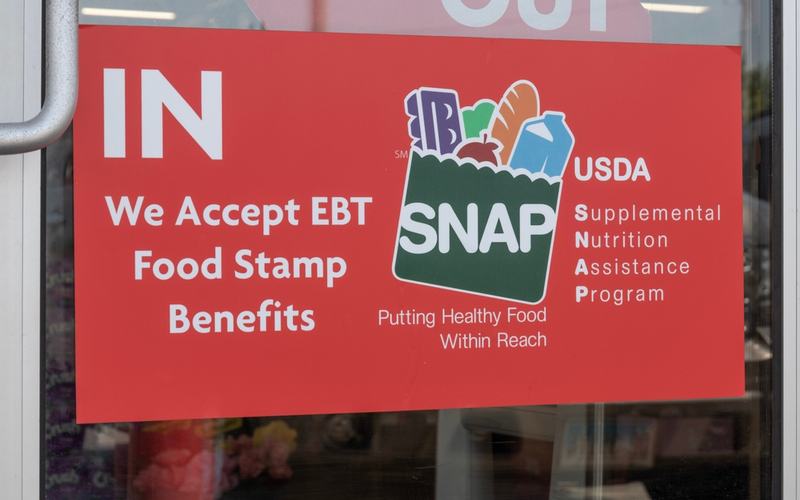
The Trump administration took another step to promote work and self-sufficiency among SNAP recipients by publishing a proposed rule that strengthens work requirements for able-bodied adults without dependents.
The rule, issued November 10 by the Food and Nutrition Administration at USDA, implements provisions of the One Big Beautiful Bill Act signed into law on July 4, 2025. It expands the age range of participants subject to the three-month time limit to ages 18 through 64, up from the prior limit of 54.
Under the proposal, time-limited participants must work or participate in qualifying activities for at least 80 hours per month to receive benefits beyond three months in a 36-month period. Exceptions remain for those physically or mentally unfit for work, pregnant individuals, parents responsible for a child under 14, and certain Native American groups.
Waiver criteria for areas with high unemployment have also been tightened. Most states can now seek waivers only for areas where unemployment exceeds 10 percent. Alaska and Hawaii receive temporary flexibility through 2028 for areas with unemployment at least 1.5 times the national average.
The administration said the changes close loopholes and ensure the program serves those most in need while encouraging employment. Critics from left-leaning groups have argued the rules could reduce participation, but supporters point to the policy's focus on reducing long-term dependency on federal aid.
This proposal follows the earlier expansion of work requirements under the 2025 reconciliation law, which already broadened the rules to include more adults and shifted a larger share of administrative costs to states. USDA data indicate millions fewer people have received SNAP benefits since the law took effect.
Public comments on the proposed rule are due by December 10, 2026. If finalized, the changes would take effect after a phase-in period.
The move aligns with longstanding conservative priorities to tie welfare benefits more closely to work requirements, a approach credited with success in prior reforms of programs like cash assistance.

Comments
No comments yet. Be the first to share your thoughts.