
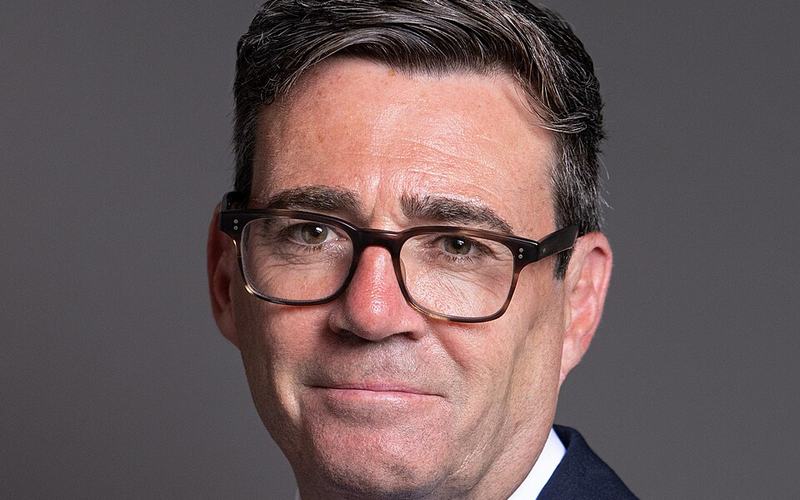
British Prime Minister Andy Burnham has refused to rule out taking the United Kingdom back into the European Union without holding another national referendum, raising fresh questions about Labour’s plans for Brexit and the future of Britain’s relationship with the bloc.
In an interview published over the weekend on The Rest Is Politics podcast, Burnham argued that public opinion on Brexit has shifted faster than the political establishment. Asked about the prospect of rejoining the EU without another public vote, he declined to rule out the possibility.
“I think it’s jumping ahead too far at this stage,” Burnham said. “One thing I think is true is that public opinion has moved more quickly than political opinion. I think the political class is behind the public on this issue.”
The comments come more than a decade after the June 2016 referendum, when approximately 17.4 million Britons voted to leave the European Union. The result was the largest democratic exercise in British history, and any move to reverse it without another referendum would likely reignite debate over whether voters should have a direct say in such a major constitutional change.
Burnham had previously pledged during the Makerfield by-election campaign that he would not reopen the arguments surrounding Brexit. Labour’s 2024 general election manifesto also promised to “make Brexit work,” rather than commit to rejoining the bloc.
However, the prime minister has increasingly signaled openness to closer ties with Brussels. At Labour’s annual conference in Liverpool last month, Burnham said he would consider all options for strengthening Britain’s relationship with the EU and suggested that reversing Brexit could feature in the party’s next general election manifesto.
Other Labour figures have also called for rejoining the EU without another referendum. Former minister Jess Phillips said last week that she would be “delighted” if Labour campaigned on rejoining at the next election, while arguing that a second public vote should be avoided.
Burnham has also questioned the integrity of the original referendum, claiming Russia interfered in the campaign. He said he had received a clear answer after asking whether Russian interference occurred in 2016.
“I asked the question coming to Downing Street: ‘Was there interference in the 2016 referendum from Russia?’ And I’ve had the clear answer that yes, there was,” Burnham said, according to the Financial Times.
He argued that publicly documenting alleged Russian interference could help voters in Germany and France understand the role he believes Moscow plays in European politics. Burnham also suggested Russian influence was relevant to the rise of anti-migration parties, including Marine Le Pen’s National Rally in France and Alice Weidel’s Alternative for Germany.
Those claims face a significant historical qualification. The former Conservative government told Parliament in 2020 and 2021 that it had seen “no evidence of successful interference in the EU Referendum.” The Electoral Commission also said in 2020 that the Leave.EU campaign had not broken the law or accepted Russian “dark money,” following allegations about its funding.
The debate over Brexit has become an increasingly visible issue within British politics as Labour considers how far it wants to move toward closer integration with the European Union. Critics argue that reversing the referendum result without another vote would disregard the decision made by millions of voters.
Professor Matt Goodwin, a prominent supporter of Reform UK, criticized the prospect of Labour campaigning to rejoin the bloc without holding another referendum. He described the possibility as a betrayal of Brexit voters and argued that the issue could further undermine public trust in the political establishment.
Burnham has not announced a final plan to rejoin the EU, and his latest remarks do not amount to a formal commitment to reverse Brexit. However, his refusal to exclude doing so without another referendum leaves open a possibility that Labour previously stopped short of endorsing.

Comments
No comments yet. Be the first to share your thoughts.