
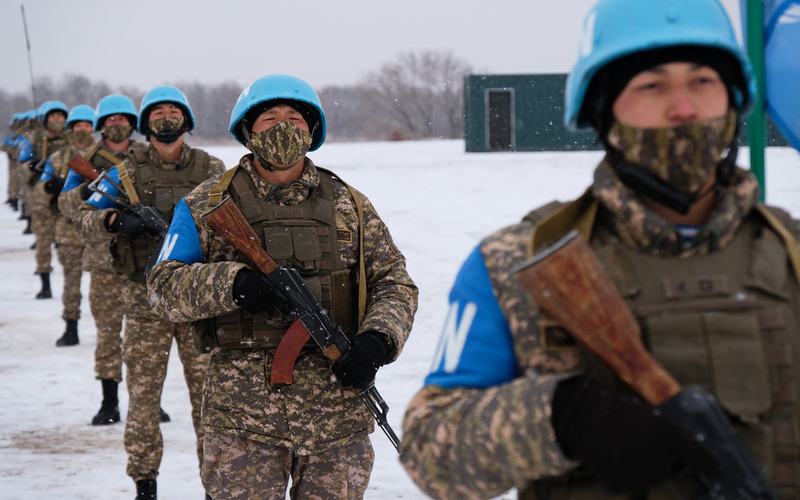
United Nations peacekeepers will begin withdrawing from southern Lebanon at the end of this year after nearly five decades of deployment. The UN Security Council decided in August 2025 to end the mandate of the United Nations Interim Force in Lebanon, known as UNIFIL, effective December 31, 2026.
Approximately 7,565 personnel from 46 countries currently serve in the mission. They will depart the Blue Line area along the Lebanon-Israel border in stages during 2027. The decision came amid criticism that UNIFIL failed to fulfill its core mandate of disarming Hezbollah and preventing the group's military entrenchment in southern Lebanon.
UNIFIL was established in 1978 following Israel's initial incursion into Lebanon. Successive mandates required the force to support the Lebanese army in securing the south and ensuring no armed groups operated there. Instead, Hezbollah expanded its infrastructure and arsenal over the years, leading to repeated conflicts.
Recent negotiations between Israel and Lebanon, brokered by the United States, produced a Trilateral Framework in June 2026 that calls for Hezbollah's disarmament and border settlements. Those talks remain incomplete. Israeli forces continue operations in parts of southern Lebanon despite a nominal ceasefire since April.
Lebanese officials have expressed concern over a potential security vacuum. Prime Minister Nawaf Salam and President Joseph Aoun have urged an extension or replacement force. An EU-backed initiative seeks to bolster the Lebanese army, though it does not substitute for UNIFIL's presence.
Contributing nations, including Ireland, are preparing final rotations. Irish troops, part of the last contingent, are scheduled to complete operations by early 2027. More than 30,000 Irish soldiers have served in UNIFIL since 1978.
The withdrawal reflects a broader assessment that prolonged UN peacekeeping has not resolved underlying threats from Iranian-backed militias. With the mandate concluding, responsibility for security in the south shifts more directly to Lebanese authorities and bilateral arrangements.

Comments
No comments yet. Be the first to share your thoughts.