
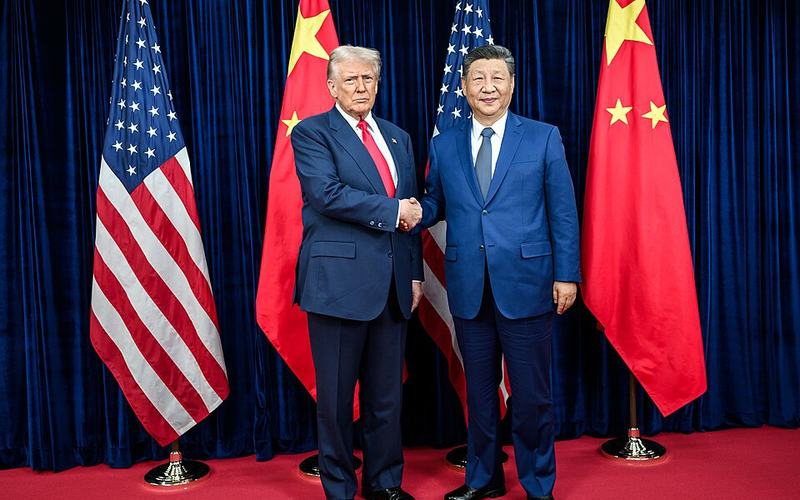
The United States and China have agreed to reduce tariffs on roughly $60 billion worth of goods traded between the two countries following President Donald Trump's meeting with Chinese President Xi Jinping in Washington.
The arrangement covers approximately $30 billion in goods moving from each country to the other. The two governments released lists of products eligible for more favorable tariff treatment Monday, providing details on the trade agreement reached after the leaders' summit.
The agreement focuses on what both sides describe as non-sensitive products. For American exports to China, the covered goods include agricultural products, fish and seafood, logs and wood products, cosmetics and medical devices. China is also expected to include U.S. coal in the tariff framework.
American imports from China covered by the arrangement include consumer goods such as small appliances, toys, holiday decorations and children's car seats. Chinese officials said the list also includes baby products and various kitchen and bathroom goods.
The U.S. Trade Representative's office said the two countries reached consensus on recommendations for more favorable tariff treatment for the $30 billion of goods moving in each direction. China said tariffs on about 90% of the covered products would be reduced to its standard most-favored-nation rates after the necessary domestic legal procedures are completed.
The White House said the agreement is part of the Trump administration's effort to pursue what it describes as fair, balanced and reciprocal trade with Beijing. The administration has also been pressing China on agricultural and energy purchases and market access for American farmers, manufacturers and businesses.
The tariff agreement follows Trump's state visit with Xi, who traveled to Washington for talks with the president. The two leaders discussed trade along with other areas of tension between the world's two largest economies, including critical minerals, artificial intelligence and energy.
As part of the broader agreement, China committed to importing at least 10 million metric tons of American coal in both 2027 and 2028. The White House said the two countries are also continuing discussions over rare earths and other critical minerals that have become a major point of contention in the trade relationship.
The tariff reductions are not yet an immediate removal of all U.S.-China trade barriers. The measures apply to specific categories of goods, while significant disagreements remain between Washington and Beijing over technology, supply chains and other economic and national security issues.
Still, the agreement represents a concrete step toward reducing tariffs on a portion of bilateral trade after years of heightened economic tensions. The two governments are expected to continue negotiations through newly established trade and investment mechanisms as they work through remaining disputes.

Comments
No comments yet. Be the first to share your thoughts.