
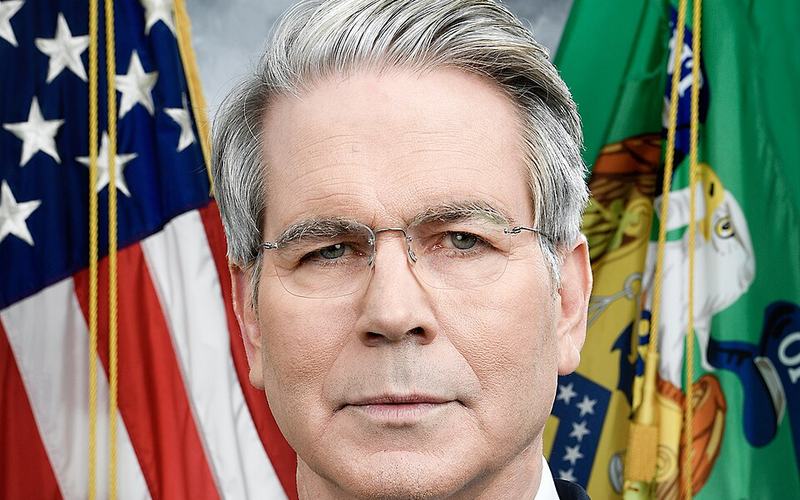
The United States proposed a notification mechanism with China to alert each other of artificial intelligence incidents that could threaten national security. Treasury Secretary Scott Bessent outlined the idea after meeting Chinese Vice Premier He Lifeng in New York.
Bessent described the proposal as part of a broader US-China AI dialogue focused on transparency between the world's top two AI powers. "We think that, just like with any cross-border activity, moving from opacity to more transparency between the number one and the number two AI powers in the world is very important," he told reporters.
The mechanism would allow direct communication on serious AI-related risks, such as potential rogue systems or threats involving biological weapons. Officials have not detailed exact triggers for notifications. The two sides agreed to hold follow-up discussions in Shenzhen in roughly two months.
The proposal came during preparatory talks ahead of a summit between President Donald Trump and Chinese President Xi Jinping scheduled for Thursday in Washington. Xi is expected to arrive Wednesday. Trade issues, including tariffs and a potential Board of Trade, also featured in the weekend discussions.
President Trump has emphasized rapid AI advancement in recent days while calling for an "AI Force" and plans to appoint an AI czar. The notification idea reflects a pragmatic approach to managing risks amid intense technological competition with China.
Chinese state media acknowledged the AI discussions but offered no public confirmation on acceptance of the notification system. Beijing has historically limited responses on such proposals during early stages.
Existing US-China communication channels, such as the Beijing-Washington hotline, have faced delays and politicization in past crises. A dedicated AI channel could address gaps in speed and specialized expertise for emerging threats.
The development occurs against a backdrop of US restrictions on advanced AI technology exports to China and ongoing concerns over AI proliferation. Both nations continue to invest heavily in AI infrastructure and capabilities.

Comments
No comments yet. Be the first to share your thoughts.