
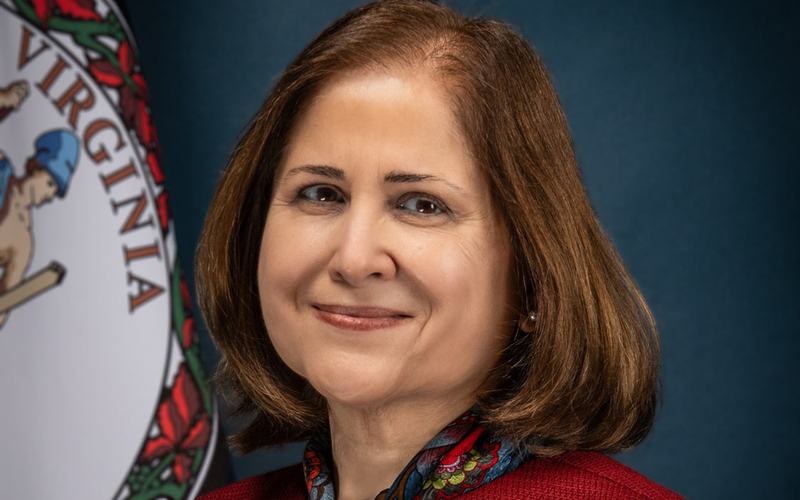
Lieutenant Governor Ghazala Hashmi announced her opposition Tuesday to NextEra Energy’s proposed $67 billion acquisition of Dominion Energy, citing concerns that the deal would not protect Virginia ratepayers from higher electricity bills.
Hashmi made the announcement following a statewide “Energy Costs Listening Tour” that included public sessions in Loudoun County, Norfolk, Richmond, Charlottesville, and Roanoke. She stated that Virginians are already struggling with the cost of electricity and that the merger does not provide sufficient protections.
The proposed transaction would create one of the largest regulated utilities in the world, combining Dominion’s 2.7 million Virginia customers with NextEra’s operations in Florida and the Carolinas. Dominion serves the heart of Virginia’s data center corridor, where surging demand has contributed to recent rate increases.
Virginia Governor Abigail Spanberger, a Democrat, has expressed deep skepticism about the deal and formally intervened in the regulatory process at the State Corporation Commission. She has prioritized sustained bill savings, job protections for roughly 10,000 Dominion workers in the state, and reliable clean energy development.
Other state officials, including Attorney General Jay Jones and at least eight lawmakers, have also voiced opposition. Congressional Democrats, including Sen. Elizabeth Warren, have raised separate concerns about reduced competition and potential price increases.
NextEra and Dominion have responded by extending shareholder-funded bill credits totaling about $2.2 billion over four years and extending commitments to retain Virginia workers to five years. The companies filed their joint petition with the SCC on July 15.
The commission has six months to review the proposal, with a decision deadline of Jan. 11, 2027. A hearing examiner recently ordered the release of additional documents, including a memo related to an investigation into NextEra’s Florida subsidiary.
Public comments filed with the SCC reflect widespread concern among Virginia customers over existing bill burdens and the risks of out-of-state ownership. The deal remains subject to approvals from multiple state and federal regulators amid a record pace of utility mergers nationwide.

Comments
No comments yet. Be the first to share your thoughts.