
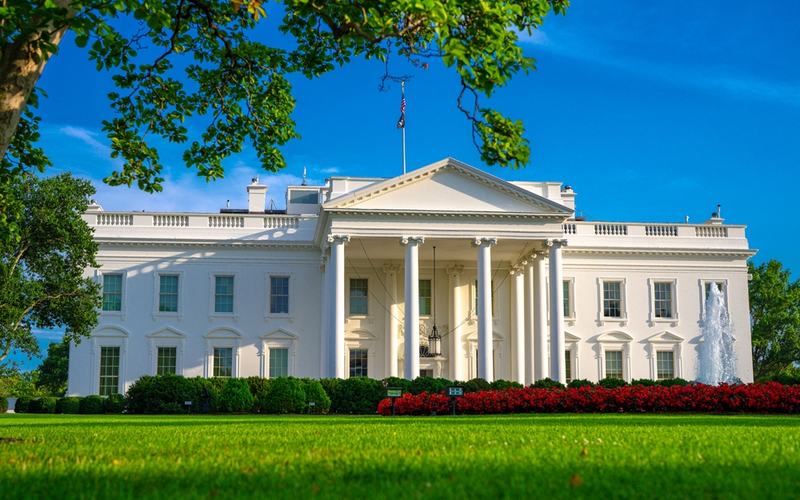
The White House is preparing a plan to ban U.S. diesel exports for 90 days, according to multiple reports citing administration sources. The move aims to ease record-high diesel prices that have reached $6.51 per gallon nationally, with prices even higher in some areas.
President Donald Trump has signaled support for the policy, telling reporters he has called for keeping diesel supplies domestic. Farm-state Republicans have pressed the administration to act, citing the impact on agriculture, trucking and other businesses. Iowa Sen. Chuck Grassley has repeatedly called for a temporary diesel export ban, while Tennessee Rep. Tim Burchett has introduced legislation that would restrict diesel exports. Alaska Sen. Dan Sullivan has also called for a temporary moratorium, and Senate Majority Leader John Thune has said he is open to exploring an export ban.
Politico reported Wednesday that the administration is working on the details, though the legal process for implementing such a ban remains unclear. Trump is inclined to advance the measure by the end of the week, according to the report. Reuters said it could not immediately independently verify the Politico report.
The proposal has sparked divisions inside the administration and with the oil industry. Energy Secretary Chris Wright has warned that banning exports would not necessarily lower prices and could force refiners to cut production due to storage limits, potentially raising costs for gasoline and jet fuel instead.
U.S. diesel exports average roughly 1.3 million to 1.5 million barrels per day. Industry groups and energy analysts have warned that restricting exports could create short-term regional price changes while reducing refining output and contributing to higher prices for other petroleum products. Agriculture interests, however, have prioritized immediate relief for domestic diesel users.
The administration has faced growing calls from Republican lawmakers to act on fuel costs, which have become a key concern ahead of the November midterm elections. Treasury Secretary Scott Bessent has confirmed officials are examining whether a full or partial ban is feasible without disrupting refining capacity.
This would mark the first major restriction on U.S. energy exports since the lifting of the crude oil export ban in 2015. Officials have stressed the goal is targeted, temporary relief for American consumers and businesses rather than a permanent policy shift.

Comments
No comments yet. Be the first to share your thoughts.