
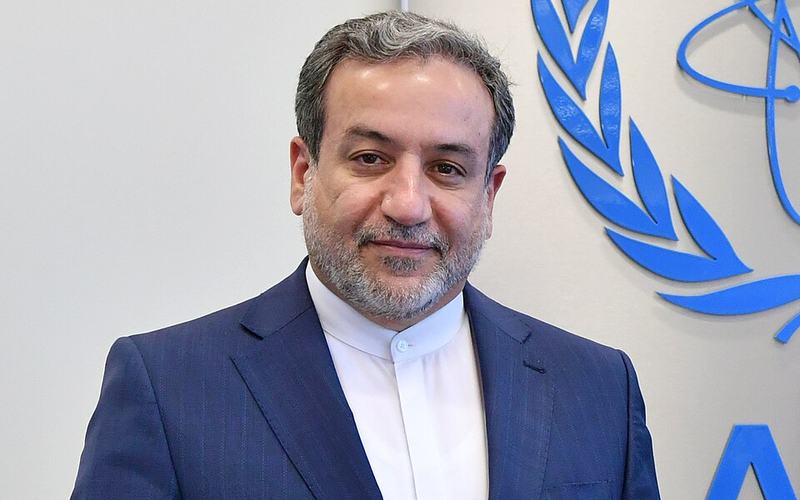
Iranian Foreign Minister Abbas Araghchi arrived in St. Petersburg, Russia, late Sunday ahead of scheduled talks with President Vladimir Putin on Monday. The visit comes as diplomatic efforts to end the US-Iran conflict stalled, with President Donald Trump canceling a planned trip by top US envoys to Pakistan.
Araghchi's trip caps a regional tour that included stops in Pakistan and Oman. He met Pakistani Prime Minister Shehbaz Sharif, Foreign Minister Mohammad Ishaq Dar, and Army Chief Field Marshal Asim Munir in Islamabad and Rawalpindi starting April 25. In Muscat, he held discussions with Oman's Sultan Haitham bin Tariq, who called for the war to end "as soon as possible and definitively" for regional stability.
Russia's Foreign Ministry confirmed the visit, during which Araghchi will consult senior officials on the status of ceasefire negotiations and regional developments. Iran's ambassador to Moscow, Kazem Jalali, said the agenda includes advancing joint programs. Russia, a key ally bound by a 20-year strategic partnership treaty signed in January 2025, has condemned US strikes on Iran as "unprovoked aggression" and offered to handle Iran's enriched uranium stockpile, a proposal rejected by the Trump administration.
The US-Iran war began with joint US-Israeli strikes on February 28, 2026, prompting Iran to blockade the Strait of Hormuz and the US to impose a counter-blockade on Iranian ports. A fragile ceasefire took effect on April 7 and was indefinitely extended by Trump last week, halting major hostilities but leaving economic disruptions in place. Global oil prices have surged due to the chokepoints on energy shipments.
Peace talks faltered after an initial round in Islamabad yielded no agreement. Iran transmitted written messages outlining its red lines on nuclear issues and the Strait of Hormuz via Pakistani mediators, but declined direct meetings with US negotiators. Trump scrapped the second round, dismissing it as "sitting around talking about nothing." He told Fox News that Iran holds the onus: "If they want to talk, they can come to us, or they can call us. We have nice, secure lines."
Araghchi expressed doubt about Washington's intentions, stating he had "yet to see if the US is truly serious about diplomacy." The US delegation was to include Steve Witkoff and Jared Kushner, with Vice President JD Vance on standby. Trump emphasized US leverage, noting the military holds "all the cards."
Amid the diplomatic freeze, the ceasefire in related fronts like Lebanon faces strain, with Israeli-Hezbollah clashes persisting despite a US-brokered extension. An Israeli soldier was killed in southern Lebanon Sunday, raising the toll to 16 since the war's outset. Over 2,500 Lebanese have died, and 7,750 have been wounded since March 2.
Iran's Revolutionary Guards affirmed no plans to reopen the Strait of Hormuz, while the US Central Command reported blocking 38 ships from Iranian ports. Trump discussed the crisis with UK Prime Minister Keir Starmer, who warned of severe global economic consequences.
Araghchi's Moscow consultations underscore Tehran's pivot to allies as direct US engagement remains elusive. No timeline emerged for resuming talks, leaving the ceasefire's longevity uncertain.

Comments
No comments yet. Be the first to share your thoughts.