
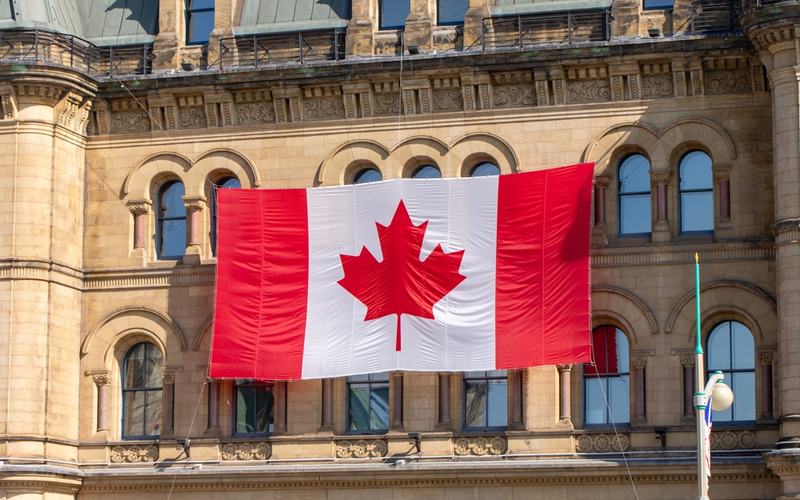
Canada's counter-tariffs took effect at 12:01 a.m. Tuesday, Sept. 8, covering $27.6 billion in U.S. imports. The duties range from 15% to 50%, with rates generally matching the corresponding U.S. tariffs.
The targeted products include steel and aluminum, dairy, appliances, agricultural equipment, pulp and paper, plastics and electronics. Canada said the measures were designed to match the latest U.S. tariffs dollar-for-dollar and rate-for-rate.
The retaliation follows the breakdown of trade negotiations between the two countries last month. Canada suspended the talks after rejecting new U.S. demands that Prime Minister Mark Carney's government said would negatively affect Canadian workers, businesses and strategic industries.
The Trump administration imposed a 50% tariff on $27.6 billion of Canadian goods effective Aug. 22. Canada's new measures are intended to mirror those tariffs.
The dispute has continued to escalate beyond the tariffs themselves. President Donald Trump said Monday that Canadian aircraft manufacturer Bombardier should not be allowed to sell aircraft in the United States unless the company moves manufacturing into the country. Trump has previously threatened additional tariffs on Bombardier aircraft.
Trump has also continued his criticism of Canada, while Carney has said Ottawa remains willing to negotiate but will not accept terms it considers harmful to Canadian interests.
Canada announced a $7.5 billion package of new and enhanced support for workers and businesses affected by the U.S. tariffs.
With the latest tariffs now in effect, the dispute has entered another stage as businesses on both sides of the border adjust to higher costs and the two governments remain without a new trade agreement.

Comments
No comments yet. Be the first to share your thoughts.