
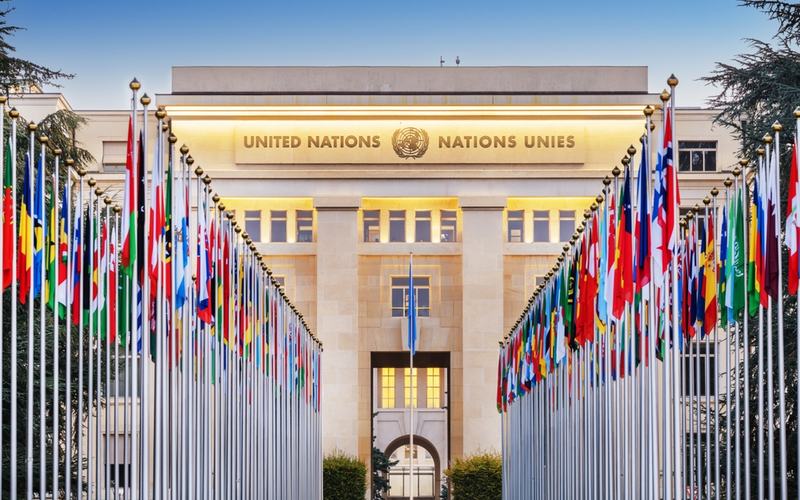
Delegates at the United Nations elected Iran as one of 34 vice presidents of the 11th Review Conference of the Parties to the Treaty on the Non-Proliferation of Nuclear Weapons on Monday, sparking a heated clash with the United States. The month-long meeting, which opened April 27 at UN Headquarters in New York, reviews implementation of the 1970 NPT, a cornerstone pact with 191 parties aimed at preventing nuclear proliferation.
Vietnam's UN ambassador Do Hung Viet serves as conference president after his acclamation on Monday. Different regional groups nominated the vice presidents, with Iran selected by the Non-Aligned Movement bloc through consensus approval. Iran's permanent mission to the UN confirmed the post, stating it reflects Tehran's advocacy for a nuclear-weapon-free world.
The United States immediately objected. Christopher Yeaw, assistant secretary for arms control and nonproliferation, called Iran's selection an "affront to the NPT" and "beyond shameful," arguing Tehran has shown "contempt for the non-proliferation commitments" and refused cooperation with the International Atomic Energy Agency on unresolved questions about its nuclear program. He described it as "an embarrassment to the credibility of this conference."
Similar concerns came from the United Kingdom speaking for the E3 countries (UK, France, Germany), the United Arab Emirates, and Australia. They formally disassociated from the decision to preserve consensus rather than force a vote. Russia's delegate criticized the U.S. intervention as politicizing the gathering.
Iranian envoy Reza Najafi dismissed the objections as "baseless and politically motivated," accusing the U.S. of hypocrisy as the only country to have used nuclear weapons while expanding its arsenal, in violation of NPT obligations. Tehran insists its nuclear activities are peaceful and proposes delaying program discussions until regional conflicts, including those with the U.S. and Israel, are resolved.
The controversy unfolded as UN Secretary-General António Guterres addressed the opening, warning that the NPT's foundation is eroding amid rising nuclear arsenals, record military spending, and emerging threats from AI and quantum technologies. He urged delegates to revitalize the treaty, noting failures to reach consensus at the 2015 and 2022 reviews. Conference President Viet echoed the gravity, stating the stakes are high with a potential nuclear arms race looming.
U.S. and IAEA assessments hold that Iran ran a nuclear weapons program until 2003 and currently blocks full inspections, fueling proliferation worries. The episode highlights ongoing tensions over Iran's nuclear ambitions, which persist despite the 2015 deal's collapse. Critics, including UN Watch executive director Hillel Neuer, decried it as eroding UN credibility.
The conference continues through May 22, with delegates tasked to assess progress on disarmament, non-proliferation, and peaceful nuclear energy use.

Comments
No comments yet. Be the first to share your thoughts.