
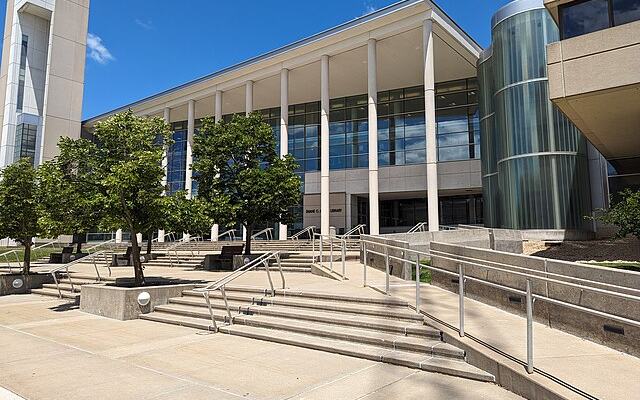
Missouri State University is facing a federal lawsuit accusing the school of violating students’ First and Fourteenth Amendment rights through a “bias response” policy that critics say restricts speech both on and off campus.
The complaint, filed by Defending Education, argues that the university’s policy allows administrators to investigate and respond to student expression deemed “biased,” including statements related to race, religion, gender identity, national origin, and political views. According to the lawsuit, students reported that under the policy can be required to attend meetings with university officials and may be referred to disciplinary offices.
Plaintiffs also allege the policy extends beyond campus grounds, with administrators monitoring social media activity and maintaining records to track what the university defines as bias trends. The lawsuit contends these practices create a chilling effect on speech and discourage open debate.
In its filing, Defending Education argues the policy relies on vague and overly broad definitions that allow for viewpoint-based enforcement, which it claims violates constitutional protections. The group says it is representing students who feel unable to fully exercise their rights due to the potential for administrative scrutiny.
The university declined to comment on the lawsuit, citing its policy of not addressing pending litigation. In past statements, however, Missouri State has said its bias response team is not intended to be punitive and instead serves as a resource for mediation and conflict resolution within the campus community.
Similar policies at other institutions have faced legal challenges in recent years with mixed outcomes. Montclair State University ended its program in 2021 following litigation, while a separate challenge to a bias response system at Indiana University was unsuccessful in court. Other schools, including the University of Northern Colorado and the University of Iowa, have also shut down comparable initiatives.
Missouri State has received a low rating on campus free speech from the Foundation for Individual Rights and Expression, which tracks policies affecting expression at colleges nationwide.
Defending Education Vice President Sarah Parshall Perry criticized the policy, arguing it undermines open discourse in higher education and places undue pressure on students for expressing controversial views.
The case adds to a growing national debate over how universities balance efforts to address discrimination with protections for free expression, an issue that continues to draw legal scrutiny across multiple states.

Comments
No comments yet. Be the first to share your thoughts.