
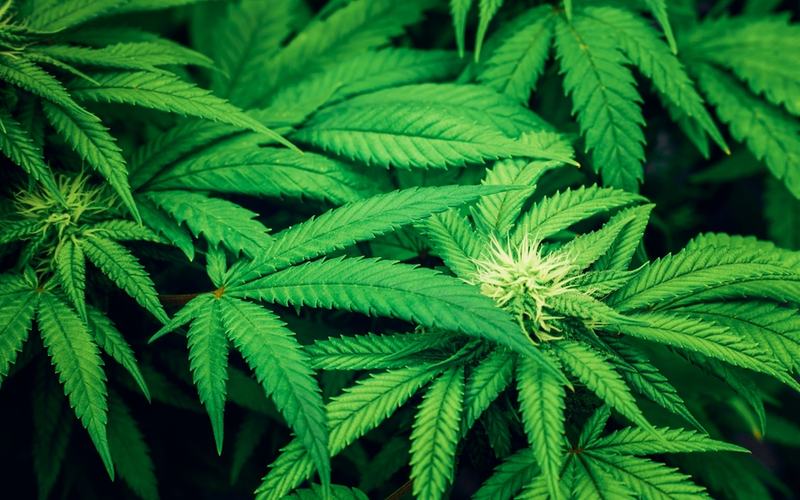
A major federal survey released in 2026 revealed that roughly one in three past-year marijuana users now meets the clinical criteria for cannabis use disorder. The Substance Abuse and Mental Health Services Administration's 2025 National Survey on Drug Use and Health found 19.3 million Americans aged 12 and older with the condition, up from 16.7 million in 2021.
Past-year marijuana users totaled 61.6 million, or 21.2 percent of the population in that age group. That share of users developing a use disorder reached nearly 31 percent. Daily or near-daily use also climbed to 21.4 million people, surpassing daily cigarette smoking in the latest figures.
Marijuana use disorder now ranks as the nation's second-largest substance use disorder after alcohol, which affected 25.7 million people. Opioid use disorder trailed far behind at 4 million. The gap between alcohol and marijuana addiction has narrowed significantly in recent years as alcohol numbers declined while marijuana figures rose.
Young adults show particularly elevated rates. Among those aged 18 to 25, 14.1 percent of the entire group had marijuana use disorder. Adolescents who use the drug face even steeper risks, with roughly half of teen users meeting disorder criteria in some analyses.
The rise coincides with increased potency of cannabis products, wider legalization in states, and declining perceptions of harm. Researchers have noted that higher THC concentrations correlate with greater addiction potential. Multiple studies, including one published in JAMA Psychiatry, documented increases in moderate-to-severe cannabis use disorder among both men and women from 2021 to 2024.
Experts point to the data as evidence that marijuana carries substantial addictive risk, contrary to some public narratives. The findings underscore the need for greater awareness of withdrawal symptoms, failed quit attempts, and other hallmarks of the disorder that disrupt daily life for millions.

Comments
No comments yet. Be the first to share your thoughts.