
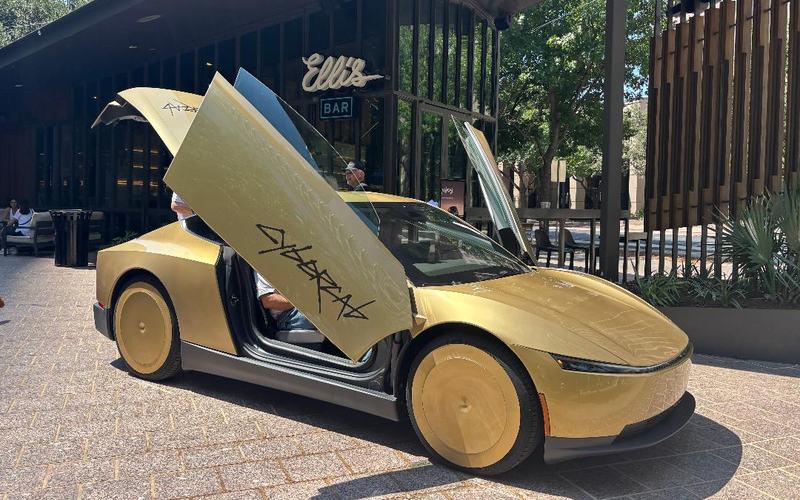
Federal auto safety regulators have opened an inquiry into Tesla's driverless Cybercab, questioning how the company concluded that a vehicle with no steering wheel, pedals, or mirrors meets federal safety rules. In a filing late Thursday, the National Highway Traffic Safety Administration said it would examine the process and technical data on which Tesla relied when certifying the two-seater vehicle.
The announcement came hours after the company began deploying the Cybercab commercially in Austin, Texas, following a launch event on September 3. The probe, known as an audit query numbered AQ26002, covers an estimated 1,000 Cybercab vehicles and focuses on Tesla's determination that certain Federal Motor Vehicle Safety Standards do not apply to the vehicle due to its lack of permanently attached conventional manual controls.
NHTSA said Tesla notified the agency that it had self-certified the Cybercab as compliant with all applicable standards and planned to gradually expand deployment to more vehicles and locations. Automakers in the United States typically self-certify compliance rather than seeking pre-approval from regulators.
The Cybercab is a distinctive two-seater designed without a steering wheel, brake or accelerator pedals, or side and rearview mirrors. Tesla has described the vehicle as safe and accessible, including for disabled passengers, and has positioned it as a step toward democratizing clean transportation.
The inquiry comes as NHTSA supports the development of automated vehicles while emphasizing the need to follow existing laws. The agency has noted that it is considering updates to standards to better accommodate self-driving technology, though those changes are still in process.
Tesla did not immediately respond to requests for comment. The company has permission from Texas authorities to offer paid rides with a limited number of the vehicles in Austin. As of Friday morning, state records showed 45 Cybercabs registered there.
This marks the latest regulatory scrutiny for Tesla's autonomous efforts. The outcome of the audit could affect the company's timeline for broader robotaxi operations.

Comments
No comments yet. Be the first to share your thoughts.