
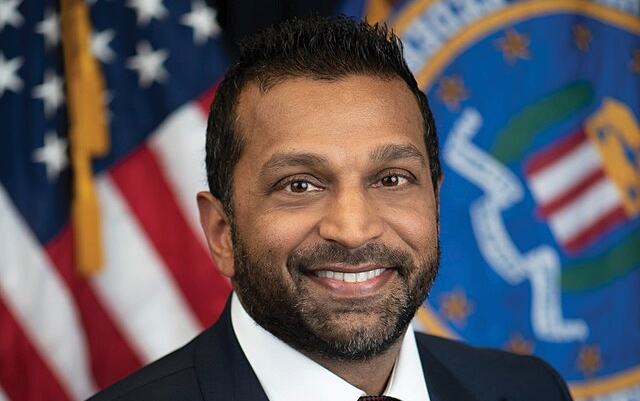
FBI Director Kash Patel described a sweeping reorganization of the bureau as a "generational overhaul" after reassigning more than 1,000 agents and staff from Washington, D.C., headquarters to field offices nationwide.
The announcement came in a draft letter to FBI employees obtained by Fox News Digital and published Sunday. Patel, who took office on February 20, 2025, wrote that the changes fulfilled requests from bureau personnel for years and positioned the FBI as a "premier modern-day law enforcement organization."
In addition to the personnel shifts, the overhaul included moving hundreds of intelligence analysts closer to active investigations. The FBI expanded its use of artificial intelligence tools to process tips, identify threats and streamline operations. A sweeping review of contracts and facilities yielded more than $300 million in cost savings, with further reductions projected and billions more anticipated from plans to relocate the FBI headquarters.
Patel highlighted the creation of a multiagency mission center dedicated to domestic terrorism and politically motivated violence. The bureau also deepened partnerships with state and local law enforcement as well as private industry, including technology companies.
On X, formerly Twitter, Patel posted about the reforms, stating, "After just 14 months, we've delivered a generational overhaul at the FBI. Cut the bureaucracy, crushed unnecessary approvals."
The moves build on earlier plans Patel outlined shortly after his confirmation. In February 2025, he informed officials of intentions to transfer up to 1,000 employees from the Washington area to field offices. By May 2025, reports indicated ambitions to relocate about 1,500 agents while vacating the J. Edgar Hoover Building.
Patel argued the restructuring restores public trust and refocuses resources on frontline crime-fighting and national security threats. Under his leadership, the FBI has claimed successes such as thwarting multiple terrorist plots.
The internal letter emphasized accelerating the bureau's response to modern dangers through technology and decentralization. No immediate reactions from congressional Democrats or bureau critics appeared in initial coverage of the draft letter.

Comments
No comments yet. Be the first to share your thoughts.