
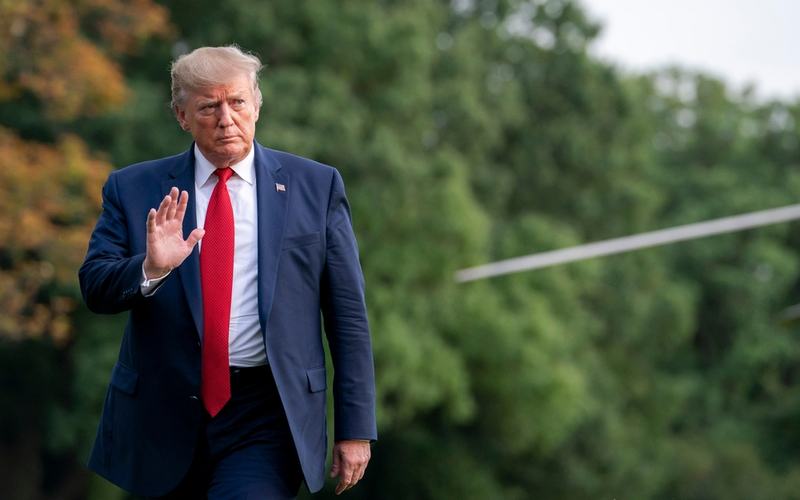
President Donald Trump has canceled a planned trip by senior U.S. envoys to Pakistan after Iran declined to engage in direct negotiations during recent diplomatic activity in Islamabad, effectively halting an opportunity for in-person talks between the two sides.
The decision came after Iranian Foreign Minister Abbas Araghchi departed Pakistan following meetings with local officials, but did not agree to meet with U.S. representatives. Iran has continued to favor indirect negotiations conducted through intermediaries rather than direct engagement with Washington.
In response, Trump ordered special envoy Steve Witkoff and senior adviser Jared Kushner to stand down from their planned trip to Islamabad, where they had been expected to participate in talks aimed at easing tensions and potentially advancing a broader agreement.
“I told my people, when they were preparing for the flight, you're not going to fly 18 hours,” Trump said in an interview, adding that the United States would not pursue meetings without clear progress. He emphasized that Iran could initiate contact if it wished to move forward.
Trump later confirmed the move in a public statement, citing what he described as inefficiencies in traveling for uncertain negotiations and internal divisions within Iran’s leadership.
Pakistan has played a mediating role between the United States and Iran in recent months, hosting indirect discussions after earlier rounds of talks failed to produce a breakthrough. However, Iranian officials have resisted direct negotiations, pointing to ongoing U.S. actions in the Strait of Hormuz as a primary obstacle.
The cancellation of the envoy trip signals a firmer approach from the administration, indicating that further diplomatic progress will depend on Iran taking the initiative to engage directly. With the window for talks in Islamabad now closed, discussions are expected to continue through intermediaries unless conditions change.

Comments
No comments yet. Be the first to share your thoughts.