
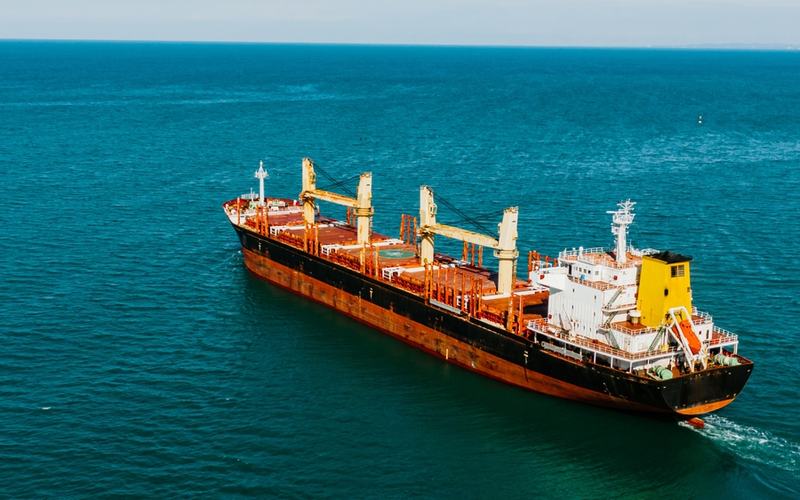
Defense Secretary Pete Hegseth stated Friday that the U.S. naval blockade of Iranian ports is "growing and going global," authorizing forces to intercept Iran-linked ships anywhere in the world. Speaking at the Pentagon, Hegseth reported that U.S. forces had turned around 34 ships attempting to enter or leave Iranian waters since the operation began on April 13. He warned that the U.S. would "shoot and kill" any Iranian personnel laying mines in the Strait of Hormuz and urged Tehran to accept a diplomatic deal.
The blockade, enforced by U.S. Naval Forces Central Command, initially targeted vessels entering or departing Iranian ports and coastal areas along the Arabian Gulf and Gulf of Oman. It followed the collapse of U.S.-Iran talks in Islamabad on April 11-12 amid the ongoing 2026 Iran war, which began with U.S. and Israeli airstrikes on February 28. President Donald Trump ordered the action after Iran continued restricting the Strait of Hormuz despite a ceasefire.
On April 16, the Pentagon expanded the scope to include all U.S.-sanctioned ships worldwide, regardless of location, as well as those carrying contraband such as oil, weapons, and military equipment to or from Iran. Joint Chiefs Chairman Gen. Dan Caine said U.S. forces, including Indo-Pacific Command, would pursue Iranian-flagged vessels and dark fleet tankers carrying Iranian oil even into the Pacific. By that date, 13 ships had complied with orders to turn around, with vessel-tracking data showing a sharp decline in transits through the Strait of Hormuz.
CENTCOM reported 33 vessels intercepted overall, with three seized, including the Iranian-flagged tanker Touska on April 19 after U.S. forces fired warning shots. More than 10,000 U.S. sailors, marines, and airmen, supported by over a dozen warships and aircraft, are involved, alongside three aircraft carriers in the region: the USS George H.W. Bush, USS Abraham Lincoln, and USS Gerald R. Ford.
Iran has condemned the blockade as illegal piracy and responded by seizing two foreign cargo ships. Its army warned that no Persian Gulf port would be safe if Iranian facilities were threatened. Foreign Minister Abbas Araghchi called a U.S. ship seizure an "act of war."
The action has cost Iran an estimated $400 million to $500 million daily in lost oil revenue, removing about 2 million barrels per day from the market. Iranian oil exports, which account for over 40% of its total, previously reached 2.26 million barrels per day in February via shadow fleets to destinations like China.
On Friday, the U.S. Treasury imposed sanctions on 40 shipping firms and a China-based refinery involved in Iran's shadow oil trade, further tightening the noose. Sen. Lindsey Graham, R-S.C., said Thursday the blockade "could become global soon," praising its impact on Iran's terrorism funding.
Trump is dispatching envoys Jared Kushner and Steve Witkoff to Pakistan for renewed talks, as the administration offers Iran a chance for a nuclear and economic deal. Hegseth emphasized that Tehran faces a choice to make a "good deal."

Comments
No comments yet. Be the first to share your thoughts.