
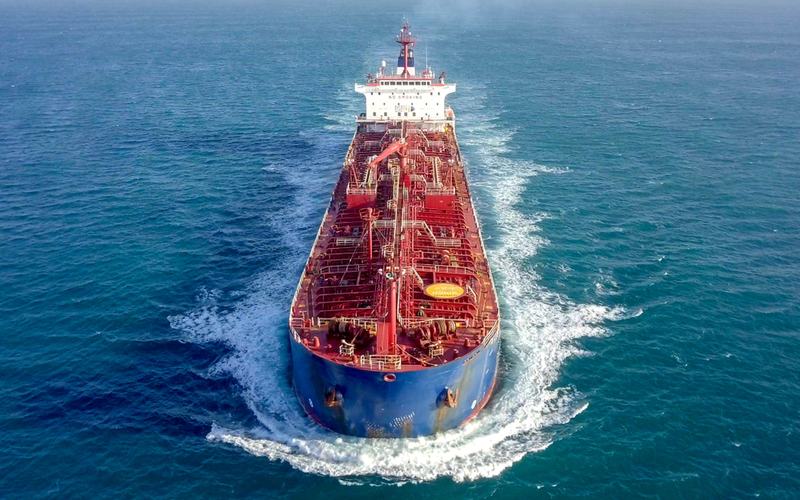
President Donald Trump has extended a longstanding ban preventing Russian-affiliated vessels from docking in United States ports, continuing the measure through spring 2027.
The extension was detailed in a notice published in the Federal Register on Friday, April 17, 2026. It renews the national emergency first declared under Proclamation 10371 by former President Joe Biden on April 21, 2022. That proclamation invoked the Magnuson Act, granting the Secretary of Homeland Security authority to regulate or prohibit the entry, anchorage, and movement of Russian-linked ships in U.S. waters.
Trump's decision maintains restrictions that have been renewed annually, including in 2023, 2024, and 2025. The White House notice states that "the policies and actions of the Government of the Russian Federation continue to constitute a national emergency by reason of a disturbance or threatened disturbance of international relations of the United States."
This action comes amid ongoing geopolitical tensions stemming from Russia's full-scale invasion of Ukraine in February 2022. The ban forms part of a broader U.S. sanctions regime aimed at limiting Moscow's access to Western markets and logistics support for its military efforts. In practice, it bars Russian-flagged ships or those owned, operated, or controlled by Russian entities from U.S. ports.
The measure was initially imposed shortly after Russia's invasion to cut off potential revenues and shipping support. Before the ban, Russian vessels made regular calls to U.S. ports, though the exact volume varied by trade routes. The U.S. Treasury Department has separately managed sanctions on specific vessels, recently delisting some while maintaining the overarching emergency authority.
While the Trump administration has relaxed certain Russia-related restrictions in recent months, such as temporary exemptions for oil shipments and removals from sanctions lists, this port ban persists as a key tool in U.S. policy. Analysts note it signals continued pressure on Russia's maritime sector despite negotiations over the Ukraine peace talks.
The extension automatically prolongs related emergency powers without needing new congressional approval. It ensures U.S. ports remain closed to approximately 1,800 Russian-affiliated vessels that previously operated in international trade. No immediate reactions from the Kremlin or Russian shipping firms were reported, though state media acknowledged the renewal.
Industry observers expect minimal domestic impact, as U.S.-Russia maritime trade was already limited. The policy aligns with allied efforts by the EU and G7 to isolate Russian shipping. As the war in Ukraine enters its fifth year, such measures underscore Washington's commitment to countering Moscow's actions.

Comments
No comments yet. Be the first to share your thoughts.