
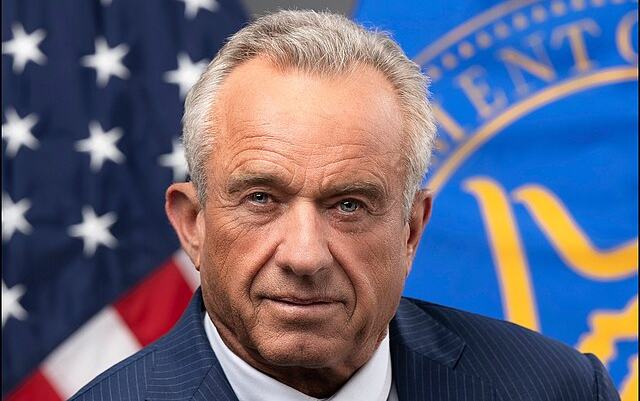
Health and Human Services Secretary Robert F. Kennedy Jr. defended the Trump administration's fiscal year 2027 budget request during back-to-back Senate hearings on Wednesday.
The proposal seeks $111.1 billion in discretionary funding for HHS, marking a 12.5% reduction or $15.8 billion cut from fiscal year 2026 levels. Kennedy described the cuts as necessary to tackle the nation's $39 trillion federal deficit while prioritizing efficiency and the "Make America Healthy Again" agenda. He testified first before the Senate Finance Committee in the morning and then the Senate Health, Education, Labor, and Pensions (HELP) Committee in the afternoon, capping a week of seven congressional budget hearings.
Kennedy highlighted investments within the budget, including $2 million for artificial intelligence to revolutionize medicine, accelerate drug reviews, and enable personalized treatments. He noted AI has already reduced FDA drug review times from 60 days to two hours. The budget also supports rural health initiatives, nutrition education in medical schools, and phasing out petroleum-based food dyes, achievements Kennedy touted from his 15 months in office.
On Medicaid, Kennedy rejected claims of cuts, pointing to Congressional Budget Office projections showing spending rising 47% from $668 billion in 2025 to $981 billion by 2036. He attributed moderated growth to the One Big Beautiful Bill Act's work requirements and eligibility limits, which could reduce enrollment by 13.1 million by 2035, but insisted no legally enrolled recipients would lose coverage.
Republicans praised Kennedy's leadership. Sen. Tim Scott (R-S.C.) credited him with controlling the largest U.S. measles outbreak in two decades, noting HHS aid of $1.4 million to South Carolina and CDC deployments. "I know without a question we would not be on the right side of this outbreak without your leadership," Scott said. Sen. Bill Cassidy (R-La.) echoed concerns over vaccine-preventable diseases but focused on health savings accounts and affordability.
Democrats pressed Kennedy on vaccines amid 2025 measles outbreaks exceeding three decades' totals. He affirmed HHS promotes the MMR vaccine, effective at 97% in preventing measles, and blamed eroded trust from the COVID-19 era rather than his rhetoric. Sen. Ron Wyden (D-Ore.) accused him of fostering doubt, while Sen. Ben Ray Luján (D-N.M.) questioned measles reduction strategies.
Drug pricing drew scrutiny over TrumpRx and Most Favored Nation deals. Kennedy claimed U.S. patients receive the world's best prices through negotiations and challenged Democrats to secure similar terms. Sen. Elizabeth Warren (D-Mass.) cited examples where TrumpRx listed higher brand-name costs than generics elsewhere and demanded deal transparency, which Kennedy partially agreed to provide, citing trade secrets.
Kennedy warned of China's biotech threat, accusing it of stealing U.S. intellectual property and researchers, endangering biosecurity. He defended Pentagon rollbacks on flu shot mandates, citing 36% efficacy, and outlined CDC director independence.
The hearings, which concluded by late afternoon, underscored partisan divides on HHS reforms amid ongoing measles concerns and fiscal pressures.

Comments
No comments yet. Be the first to share your thoughts.