
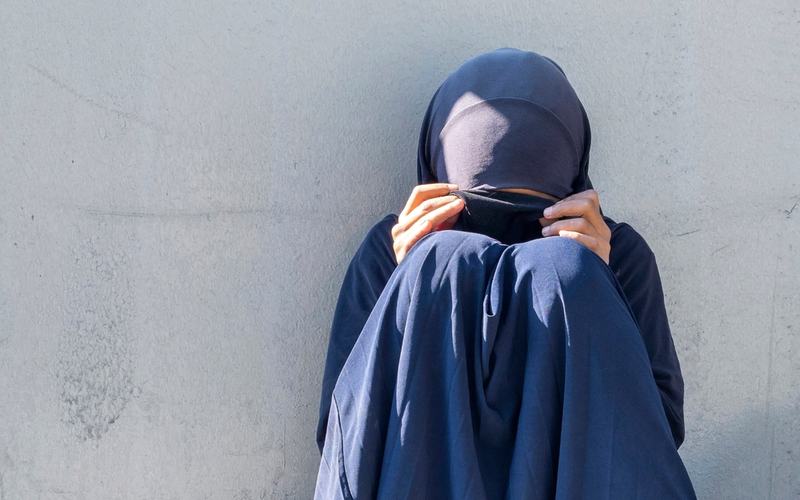
Five years after the Taliban seized power in Afghanistan, women have largely disappeared from public life under a series of decrees that bar them from secondary and higher education, most forms of employment, and many outdoor activities.
The group took control of Kabul on August 15, 2021, following the withdrawal of U.S. and NATO forces. Initial statements suggested a more moderate approach than during their previous rule in the 1990s, yet restrictions on women tightened steadily.
Girls were banned from secondary schools in 2022, a policy that remains in place. Women were later prohibited from working for most non-governmental organizations and in sectors such as beauty salons and public parks. Travel without a male guardian has been heavily restricted, and strict dress codes enforced.
United Nations reports document sharp declines in female workforce participation and school enrollment. Humanitarian agencies have warned that these measures worsen poverty and limit access to healthcare for women and girls.
The Taliban administration maintains that its rules protect Afghan culture and Islamic values. It has rejected international criticism and calls for policy reversals as interference in internal affairs.
Afghanistan continues to face economic isolation, with limited formal recognition from other governments. Aid flows have been constrained by concerns over governance and human rights practices.
Observers note that the current restrictions represent a continuation of trends established in the first months of Taliban rule rather than a sudden shift. Daily life for many Afghan women now centers on the home, with public visibility sharply reduced compared to the period before 2021.

Comments
No comments yet. Be the first to share your thoughts.