
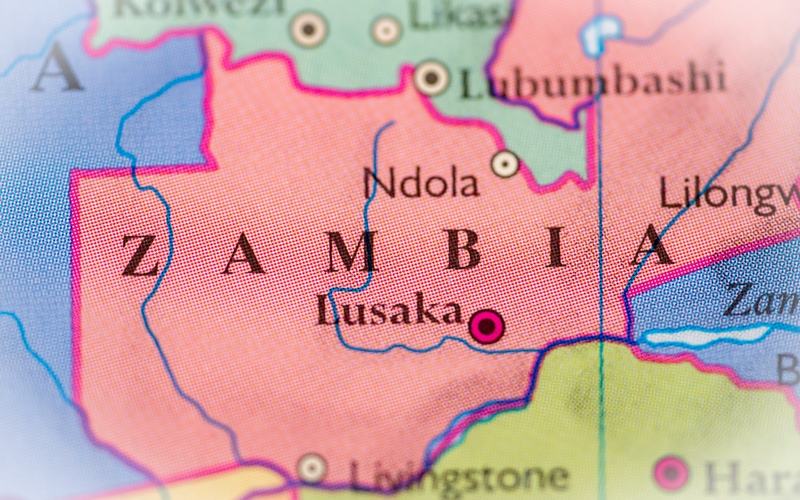
The Trump administration has withheld full renewal of lifesaving HIV aid to Zambia, conditioning the funds on greater U.S. access to the country's critical minerals, as a key deadline looms this week.
Zambia relies on U.S. support through the President's Emergency Plan for AIDS Relief, or PEPFAR, which has provided treatment to 1.3 million people living with HIV, along with aid for tuberculosis and malaria. The program has reduced AIDS-related deaths by over 70 percent in the past 15 years. However, upon taking office in January 2025, the administration froze all foreign aid, including PEPFAR, disrupting supplies and forcing emergency measures.
Negotiations for new bilateral memorandums of understanding, part of the America First Global Health Strategy, proposed $1 billion in health funding over five years, less than half of prior levels, requiring Zambia to commit $340 million in additional domestic spending. The deals also demand access to biological and health data for up to 25 years and, specifically for Zambia, preferential access to minerals like copper, cobalt, and lithium to counter China's dominance in the sector.
A March draft State Department memo, prepared for Secretary Marco Rubio, outlined using HIV aid cuts as leverage, stating the U.S. must demonstrate willingness to "publicly take support away from Zambia on a massive scale." Talks stalled in December 2025 when Zambia balked at the minerals provisions. The U.S. shut down USAID operations in Zambia in July 2025, transitioning to these deals, with 23 other African nations signing similar agreements totaling over $20 billion.
Zambia rejected the terms, calling them misaligned with national interests and "problematic," particularly the push for mining access, which accounts for 70 percent of its exports. Officials adopted a "tactical and pragmatic approach," reviewing clauses while prioritizing sustainable health systems. Like Zimbabwe, which also walked away from a $300 million deal over data demands, Zambia faces potential loss of all U.S. support by April 30.
The cuts have already impacted services: an estimated 100,000 patients stopped medication, with 40,000 not re-engaged, leading to rising infections and scrapped prevention programs like index testing and support for vulnerable groups. Clinics operate on pared-down systems with limited drug stockpiles.
U.S. officials frame the strategy as shifting from aid dependency to investment and growth, addressing corruption in aid use, such as theft of U.S.-provided drugs, and securing resources vital for green energy transitions. Critics, including Oxfam and HealthGAP, call it blackmail, turning humanitarian aid into a bargaining chip and risking lives.
As of Monday, with the deadline days away, Zambia's health ministry has not announced a resolution. The standoff highlights tensions in U.S.-Africa relations, balancing health imperatives against strategic mineral competition.

Comments
No comments yet. Be the first to share your thoughts.