
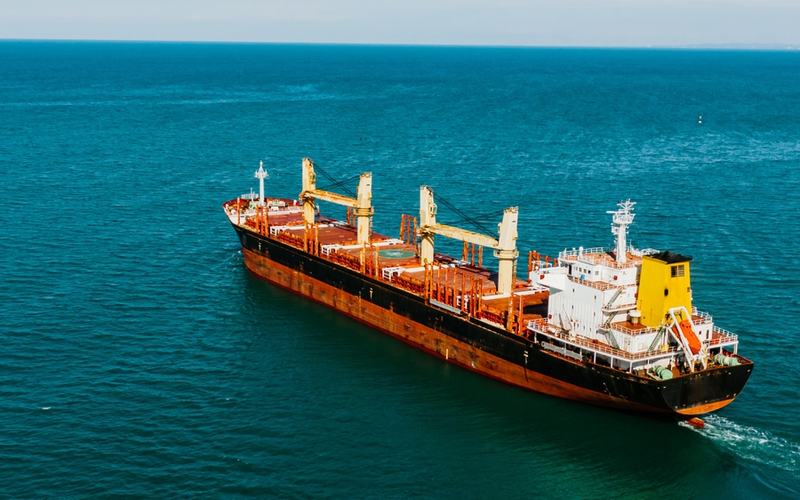
U.S. forces operating under the naval blockade of Iranian ports have directed 34 vessels to turn around or return to port since the operation began on April 13, according to recent updates from U.S. Central Command. The cumulative figure marks a steady increase in enforcement actions amid escalating tensions in the Strait of Hormuz and Gulf of Oman.
The blockade targets all ships attempting to enter or exit Iranian ports along the Persian Gulf and Gulf of Oman coastlines, a measure imposed by President Donald Trump following the collapse of the Islamabad Talks on April 12. Those negotiations had sought to resolve the ongoing 2026 Iran war, which erupted on February 28 with U.S. and Israeli airstrikes on Iranian military and government targets, including the assassination of Supreme Leader Ali Khamenei. Iran retaliated by blocking the strait, a vital chokepoint for 25% of global seaborne oil trade.
A two-week ceasefire took effect on April 8, but Iran continued restricting passage after attacks in Lebanon, prompting the U.S. response. Trump described the Iranian military as largely destroyed, with 158 vessels lost, and vowed to maintain the blockade until Iran complies with demands to reopen the strait fully. Defense Secretary Pete Hegseth and Joint Chiefs Chairman General Dan Caine emphasized the operation's focus on impartial enforcement involving over 10,000 personnel, warships, and aircraft.
CENTCOM provided incremental updates on interceptions: six vessels in the first 24 hours, rising to 10 by April 15, 13 by April 16, 23 by April 18, 27 by April 20, 29 by April 22, and 33 or 34 in the most recent reports. Officials noted that all directed vessels complied without resistance, avoiding boarding until specific breaches occurred.
In high-profile incidents, the USS Spruance disabled and led to the seizure of the Iranian-flagged cargo ship Touska on April 19 in the Gulf of Oman after it ignored warnings. Marines from the 31st Marine Expeditionary Unit boarded the vessel, which was en route to Bandar Abbas and suspected of carrying dual-use cargo. Additional seizures included the M/T Tifani on April 21 and Majestic X on April 23, both linked to oil smuggling.
Iran condemned the actions as piracy and an act of war, launching drones at U.S. ships post-Touska seizure without causing damage. Tehran seized two foreign cargo ships in retaliation: the Liberia-flagged MSC-Francesca and Panama-flagged Epaminodes. Iranian officials, including Foreign Minister Abbas Araghchi, demanded U.N. intervention.
Trump claimed the blockade costs Iran $500 million daily in lost revenue, underscoring its economic pressure amid reports of some ships bypassing via alternative routes, though CENTCOM denied significant evasions. International reactions varied: Israel backed the U.S., while China, Russia, and Spain criticized it as dangerous and illegal. The U.K. and EU called for de-escalation and freedom of navigation.
As of Sunday evening, the blockade remains in effect, with U.S. officials stating it will persist until a deal is reached. Shipping traffic through the strait has dropped sharply, highlighting the operation's impact on global energy flows.

Comments
No comments yet. Be the first to share your thoughts.