
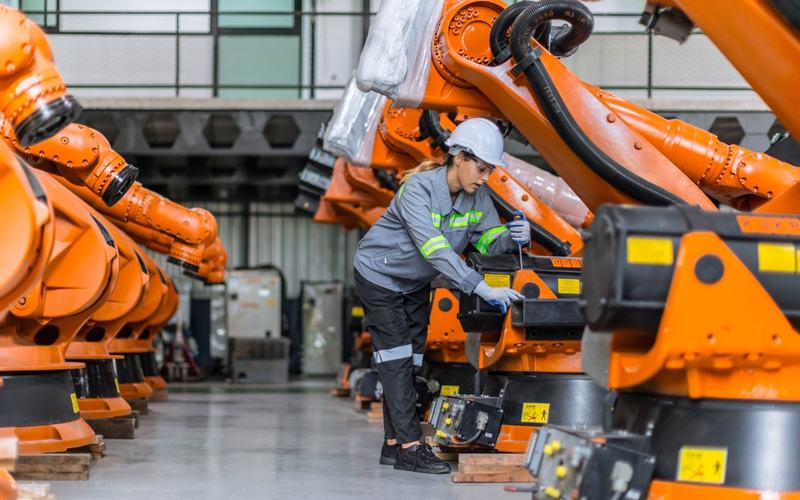
A new survey cited by the Cato Institute suggests that while 70% of Americans want more factory jobs in the United States, only 33% say they would want to work in one themselves.
The figures highlight a challenge facing efforts to expand domestic manufacturing: public support for bringing more industrial jobs to America does not necessarily translate into enthusiasm for working in factories. Many Americans may favor manufacturing growth because of its potential to strengthen the economy, create employment opportunities, and reduce reliance on foreign production, while remaining reluctant to pursue factory work personally.
The divide also raises questions about the workforce needed to support a larger manufacturing sector. Companies seeking to build or expand U.S. factories need workers willing to fill positions on production lines and in other industrial roles. Even when businesses have the facilities and investment needed to increase output, finding enough employees can present a separate challenge.
Factory work can involve physically demanding tasks, repetitive duties, shift schedules, and work in industrial environments. Those considerations may influence whether Americans view manufacturing jobs as attractive career options, even as they support policies intended to encourage companies to produce more goods domestically.
The findings come amid continued debate over how to strengthen American manufacturing, expand domestic production, and create more industrial employment opportunities. Supporters of reshoring production argue that a stronger manufacturing base can help the country become less dependent on overseas supply chains, while businesses must still consider labor availability and operating costs when deciding where to locate production.
The difference between the two figures underscores the distinction between wanting more factory jobs to exist and wanting to take those jobs personally. Although a large majority of Americans surveyed favor more factory employment, the much smaller share interested in working in factories points to a potential obstacle for efforts to expand the domestic industrial workforce.

Comments
No comments yet. Be the first to share your thoughts.