
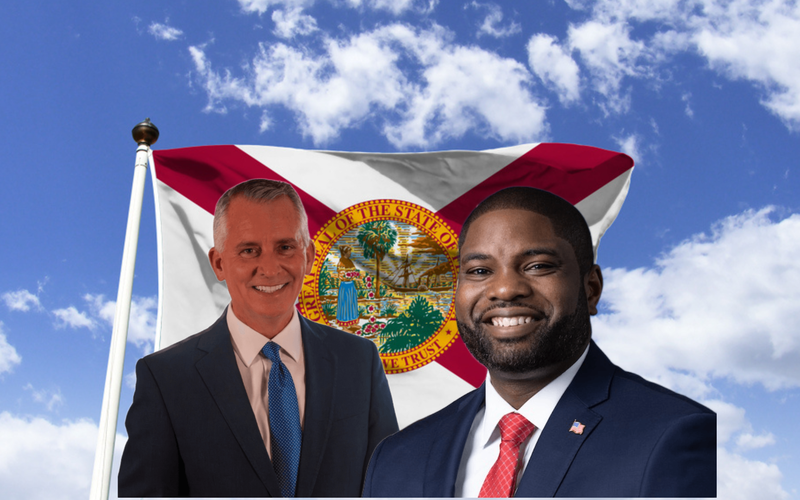
DeSantis, who delivered his final state address as governor on Tuesday, recounted the achievements of his administration during his two terms.
He highlighted Florida’s fiscal progress since becoming governor, saying the state’s “rainy day fund” has more than tripled, while doubling budget reserves.
DeSantis said his administration retired almost half of the state's taxpayer-supported debt, saving more than $1 billion in principal and interest costs. Adding to that statement, the governor noted that Florida had become a haven for people from across the United States because the state is friendly to taxpayers.
"We do not, and will never, have an income tax in the Sunshine State," DeSantis said.
The governor noted achievements made in the state’s education system, saying Florida’s graduation rate for the 2024-25 school year was 92.2%, the highest in the state's history. First Lady Casey DeSantis also led a strong initiative, Hope Florida, which aimed to connect Floridians with resources and support to achieve economic self-sufficiency and prosperity.
The environment has been a constant topic throughout DeSantis’s governorship, as his administration has made efforts to restore the state’s Everglades and improve preparedness for natural disasters.
Leaving office, DeSantis remains hopeful that the future governor will continue to build on his successes.
The Republican Candidates
Eleven people have qualified to be on the Republican bid for governor:
- U.S. Rep. Byron Donalds
- Lt. Gov. Jay Collins
- Former Florida House Speaker Paul Renner
- Businessman James Fishback
- Jim Holcomb
- Arthur McCaffrey
- Daniel Nokovich
- Rachel Rodriguez
- James Shaw
- Caneste Succe
- Bobby Williams
The Democratic Candidates
Six people have qualified for the Democratic ballot:
Florida is a closed primary state, meaning only registered Republican voters can vote for their party nominee, and Democrats the same.
The Republican Candidates and What They Stand For
Florida has become a Republican stronghold, and candidates seeking the governor’s office will be expected to either continue President Trump’s agenda or align more closely with DeSantis’ policies, depending on what kind of campaign each candidate has created for themselves.
Rep. Byron Donalds, who received endorsements from not only President Donald Trump, but also Donald Trump Jr., Elon Musk, House Speaker Mike Johnson, and senators Rick Scott and Ted Cruz.
Seen as the odds-on favorite, Donalds boasts an impressive $90 million war chest, with his campaign allocating around $20 million in statewide advertising across television markets.
His platform sees Donalds standing with Trump's agenda, advancing his “Make America Great Again” initiative, along with tackling illegal immigration, improving infrastructure, protecting conservative values, and expanding economic opportunities.
First broken by RealTruthMedia, Florida-based pollster “Victory Insights” survey shed light on how voters feel about the Republican gubernatorial candidates.
In the poll, six districts were measured, and voters preferred Donalds over his competitors, earning 41% support and leading second-place candidate Collins, who received 15% support.
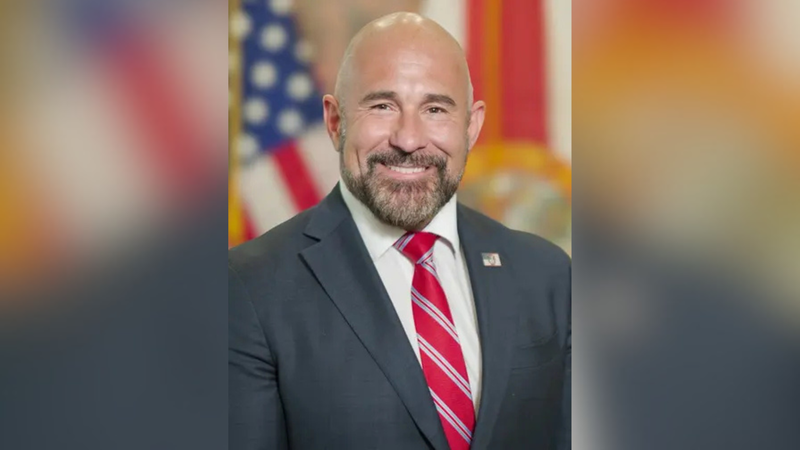
While postured to be the spiritual successor to DeSantis, Jay Collins has not received the current Florida governor’s formal endorsement, despite close ties.
Collins, a Green Beret in the U.S. Army Special Forces and Lt. Governor appointed by DeSantis, sports an 11-point plan on issues he wants to fight for:
- Immediate Property-Tax Relief
- Lower the Cost of Getting to Work
- Bring Down the Cost of Insurance
- Get PFAS Out of Florida's Water
- Cut the Cost of Energy and Protect Ratepayers
- Secure Florida's Farms and Food Supply
- Protect Our Kids and Florida's Security
- Careers, Parents, and School Choice
- Give Every Child a Family
- Defend the Second Amendment and Back the Blue
- Put Our Veterans to Work: Operation Reveille
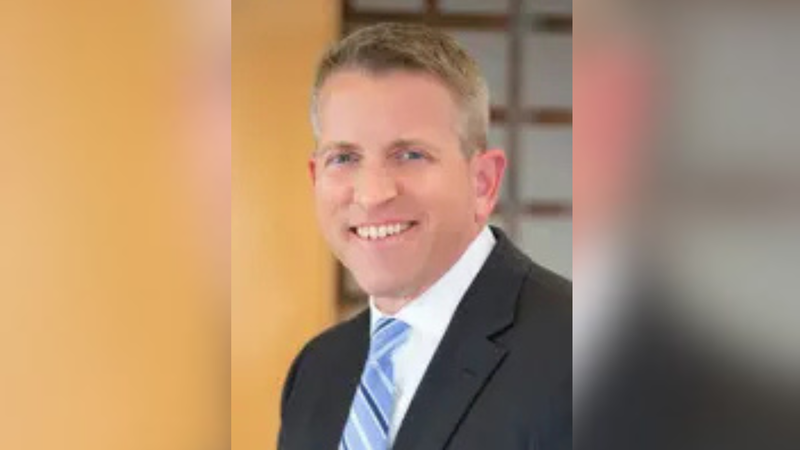
Paul Renner served as Speaker of the Florida House of Representatives for the Florida Legislature from 2022-2024 and is seeking to become the Republican nominee on Tuesday, standing on a platform that continues the legacy of the previous administration.
Renner intends to tackle affordable living, create “world-class” schools, provide safer communities, and improve quality of life by expanding access to mental health care and protecting the State Wildlife Corridor.
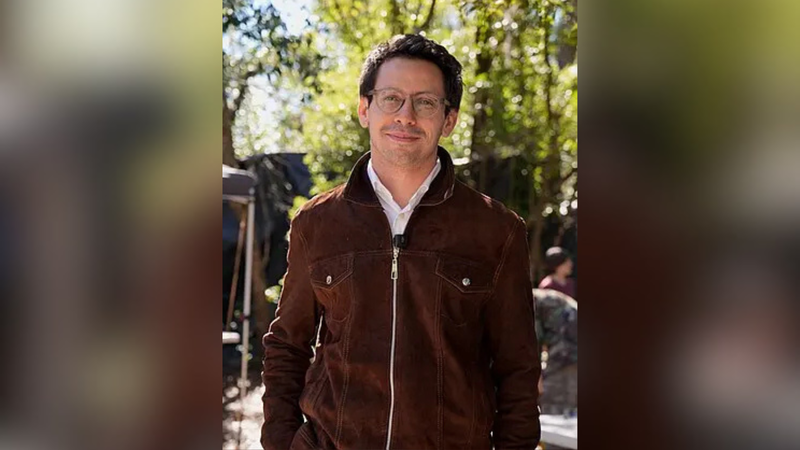
Businessman James Fishback is the youngest contender in this race for governor, having amassed a following among conservative activists and college students.
Having not held an elected office position, Fishback’s platform includes preventing the mass construction of data centers in the state, eliminating property taxes for Florida residents, raising teacher pay, and supporting law enforcement.
A Republican Turned Democrat
Democrats face an uphill battle for the governor’s office, as David Jolly is presumed to be the favorite and eventual nominee for the party. Jolly will need to create a platform that caters to moderates and progressives, while attempting to scoop up on-the-fence Republicans who lean closer to the middle aisle rather than the hard right.
The Republican turned Democrat has made his campaign centered on change, saying during one of his stops, “What I can tell you is that the values I speak of that the economy should work, that government can do a little bit to improve our lives and that everyone should have the right to be protected those are the guideposts for how I’ll serve as governor.”
Jolly’s platform involves solving the affordability and insurance crisis, funding public schools, reforming campaign finance and ethics, and strengthening the state’s economy.
The stakes of this upcoming primary remain high, as the direction for how Florida will be governed moving forward will be determined come November.

Comments
No comments yet. Be the first to share your thoughts.