
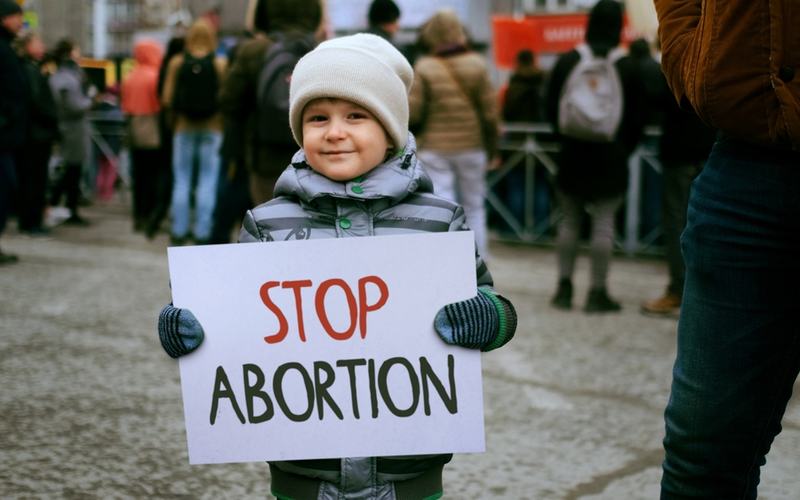
Voters in four states will decide abortion-related ballot measures in the November 3 election.
The measures in Idaho, Missouri, Nevada, and Virginia address constitutional protections, restrictions, and regulatory frameworks for abortion access.
In Idaho, Proposition 1 would establish a statutory right to abortions and privacy. The citizen-initiated measure would permit state regulation of abortion after fetal viability, except in cases of medical emergency. It would also protect decisions involving contraception, fertility treatment, and miscarriage care. The proposal seeks to modify the state's current near-total ban.
Missouri's Amendment 3, placed on the ballot by the legislature, would repeal the pro-abortion amendment approved by voters in 2024. The measure would prohibit most abortions with exceptions for medical emergencies, fetal anomalies, and pregnancies resulting from rape or incest before 12 weeks. It would require parental consent for minors and ban gender transition surgeries and certain medications for those under 18.
Nevada voters will consider Question 6 for the second time. The citizen initiative would amend the state constitution to create a right to abortion up to fetal viability, with regulation permitted afterward to protect the life or health of the pregnant patient. Nevada already permits abortion through 24 weeks.
Virginia's Right to Reproductive Freedom Amendment, advanced by the legislature, would add language enshrining abortion in the state constitution. The state currently already allows abortion with limits into the third trimester.
These contests follow multiple abortion-related ballot measures in 2024, when voters in several states approved constitutional protections for abortion access. The 2026 measures reflect ongoing state-level debates over policy and regulation after the 2022 Dobbs decision that overturned Roe v. Wade.

Comments
No comments yet. Be the first to share your thoughts.