
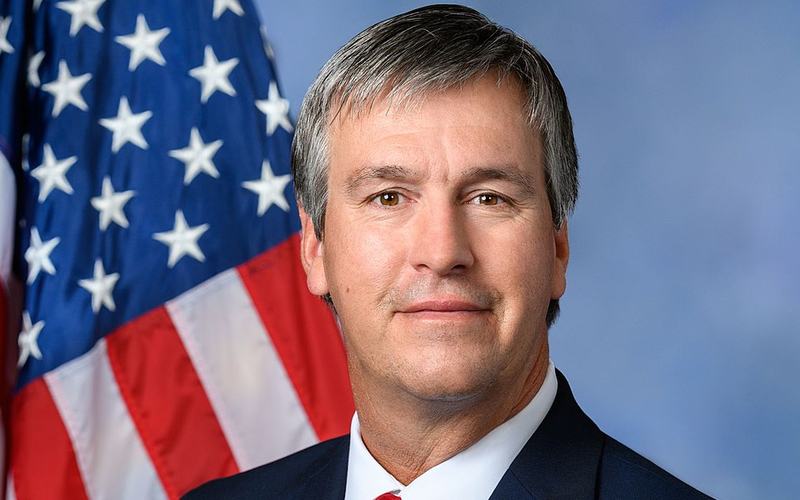
Republican Rep. Barry Moore has defeated Democrat Everett Wess in Alabama's U.S. Senate election, securing the seat being vacated by Sen. Tommy Tuberville and extending the state's long-standing Republican representation in the upper chamber of Congress.
Moore's victory comes after a campaign in which Republicans entered the general election with a substantial structural advantage in Alabama, a state President Donald Trump carried by approximately 30 percentage points in 2024. The result gives Republicans another Senate victory in a state where Democratic candidates have struggled to compete in statewide elections.
Moore, a three-term congressman from Enterprise, entered the race after Tuberville announced his campaign for governor. He secured the Republican nomination in June, defeating former Navy SEAL Jared Hudson in a runoff by approximately 56% to 44%. Moore had previously led the May Primary with approximately 39% of the vote.
President Trump endorsed Moore during the Republican primary, giving the congressman a significant advantage in a state where the president maintains considerable influence among Republican voters. Moore campaigned on securing the border, reducing inflation, lowering the national debt, ending congressional stock trading and advancing conservative priorities in Washington.
A member of the House Freedom Caucus, Moore has built his congressional career around conservative positions and support for Trump's political agenda. He also emphasized his relationship with the president throughout the campaign, arguing that he would be able to work directly with the White House to bring jobs and economic investment to Alabama.
Moore's opponent, Everett Wess, was a Birmingham attorney and the Democratic nominee. Wess won his party's nomination in a June runoff against businessman Dakarai Larriett, receiving approximately 55% of the vote.
Wess attempted to make economic conditions a central issue, focusing on inflation, grocery prices, gasoline, utility bills, and housing costs. He also called for expanded rural health care, stronger public education, increased wages, and additional federal investment in underserved Alabama communities.
However, Wess faced considerable financial and political disadvantages. Through the end of June, Moore had received approximately $2.5 million in campaign contributions, while Wess had raised slightly less than $4,000, according to Federal Election Commission figures cited by the Alabama Reflector. The Cook Political Report rated the contest Solid Republican, while Sabato's Crystal Ball classified it as Safe Republican ahead of the general election.
The campaign also highlighted the different political coalitions behind the two candidates. Moore received support from prominent Republican figures and conservative organizations, while Wess sought to attract independents and voters dissatisfied with the direction of the Trump administration.
The result carries additional historical significance because Alabama's Senate seat has been held by Republicans for most of the past 30 years. Democrat Doug Jones briefly occupied the seat after defeating Republican Roy Moore in a 2017 special election, but lost to Tuberville in 2020. Tuberville defeated Jones by approximately 20 percentage points in that contest.
Moore's election now ensures that the seat will remain under Republican control following Tuberville's departure. He will join Republican Sen. Katie Britt in representing Alabama in the Senate, giving the state two Republican senators who have emphasized their commitment to working with the Trump administration.
For Democrats, Wess' defeat represents another unsuccessful attempt to regain a statewide foothold in Alabama. The party has struggled to overcome the state's strong Republican voting patterns, particularly in federal elections.
Moore will now prepare to transition from the House of Representatives to the Senate, where he will face major legislative debates involving federal spending, border security, national defense, energy policy, and the future of the Trump administration's legislative agenda.

Comments
No comments yet. Be the first to share your thoughts.