
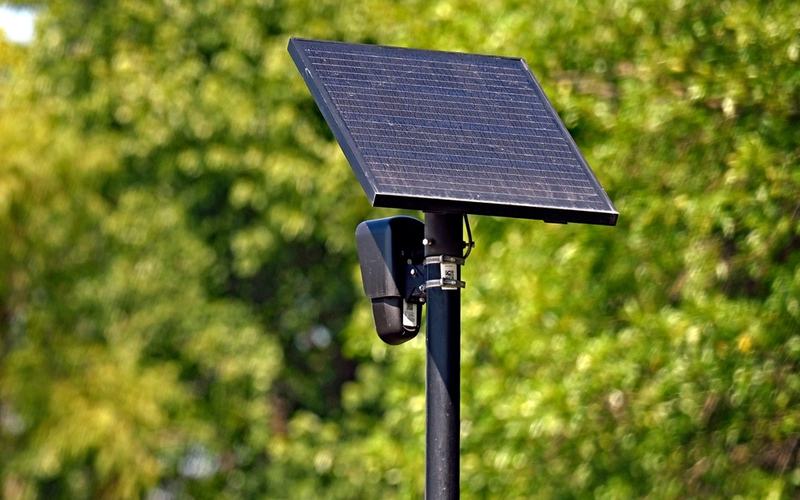
Voters in League City, Texas, rejected the continued use of Flock Safety surveillance cameras in Tuesday’s election, approving the removal of 55 automated license plate readers installed along public roads. The result makes League City the first city in Texas where voters have directly decided the fate of the increasingly controversial surveillance systems.
According to the city’s election results, 54.01% of voters opposed continued use of the cameras, while 45.99% supported keeping them in operation. The referendum, known as Proposition A, asked residents whether the League City Police Department should continue using automated license plate readers at fixed locations on public roadways for law enforcement purposes.
Although the ballot measure was technically nonbinding, the City Council approved a separate resolution in October committing to remove the cameras if voters rejected their continued use. Under that resolution, the city must remove the devices or cover them within 72 hours after the election results are officially canvassed at the council’s November 17 meeting.
Mayor Nick Long has asked city employees to begin covering the cameras immediately, preventing them from collecting additional vehicle information while officials prepare for their removal. The city also plans to review its existing agreements with Flock Safety, including options to amend or terminate contracts and address any outstanding financial obligations.
Flock cameras automatically photograph passing vehicles and collect information including license plate numbers, vehicle make and model, color, and distinguishing characteristics. Law enforcement agencies can search the collected information to identify vehicles potentially connected to criminal investigations.
Supporters of the technology argue that the cameras help police investigate crimes, locate missing people, recover stolen vehicles and identify suspects. Opponents, however, have raised concerns about widespread vehicle tracking, data sharing between law enforcement agencies and the possibility that collected information could be misused.
League City officials say previously collected data is generally automatically deleted from the police department’s system after 30 days unless it is preserved as evidence in an active case. Information previously shared with outside agencies is also subject to a 30-day retention period unless preserved for an existing investigation. Covering the cameras will prevent further collection but will not immediately erase all previously gathered information.
The referendum comes amid growing scrutiny of Flock Safety systems across Texas and the country. Texas Gov. Greg Abbott previously restricted the use of state funding for the cameras, while several local governments have reconsidered or terminated their agreements with the company.
League City’s vote could also provide a precedent for other Texas communities considering similar questions. Residents in Kyle and Laredo are expected to have opportunities to weigh in on camera programs in future elections, although those measures are expected to be advisory.
For League City, the outcome settles the immediate question of whether the city should continue operating its 55 fixed roadway cameras. City officials must now carry out the removal plan while addressing the remaining contractual and financial obligations associated with the system.

Comments
No comments yet. Be the first to share your thoughts.