
A bipartisan group of seven senators called on the Trump administration to immediately reverse its decision to permit imports of Russian diesel fuel.
The lawmakers, including four Republicans, issued a joint statement arguing that the move violates a 2022 federal law banning Russian energy imports until Moscow ends its aggression against Ukraine. They said the administration failed to consult Congress or provide a required statutory justification.
"Congress explicitly banned Russian energy imports in 2022 to prevent American dollars from financing Putin’s brutal war against Ukraine," the senators stated. "President Trump’s decision to allow Russian diesel imports to the U.S. runs directly counter to that law. The Administration has also failed to consult with Congress or submit any explanation to justify its decision as required by statute."
The signatories are Sens. Jeanne Shaheen (D-NH), Susan Collins (R-ME), Richard Blumenthal (D-CT), Lisa Murkowski (R-AK), Ron Wyden (D-OR), Thom Tillis (R-NC), and John Curtis (R-UT). They warned that the imports would provide "Putin with a financial lifeline while Russia continues to kill Ukrainian civilians."
President Trump announced the arrangement Friday following a call with Russian President Vladimir Putin. The deal calls for Russia to supply more than 300,000 tons of diesel immediately to U.S. and global markets, with additional volumes planned for later months, as part of efforts to ease fuel prices.
The senators noted that Congress recently passed the Sanctioning Russia and Iran Act, which strengthens pressure on buyers of Russian oil and gas. They reiterated that U.S. policy should bar Russian oil imports until Russia withdraws from Ukraine and stops threats against NATO allies.
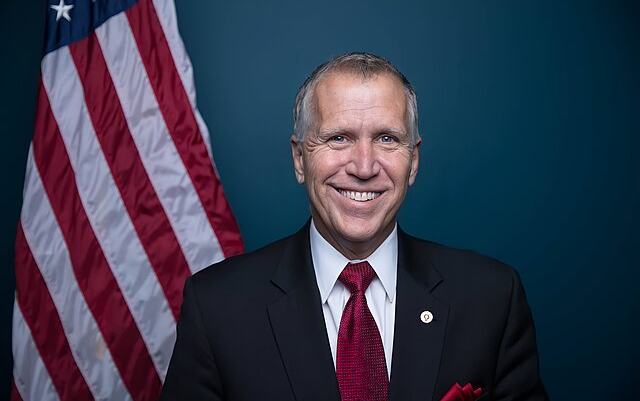
Republican Sen. Thom Tillis, who is retiring at the end of his term, separately questioned the legality of the plan on NBC’s "Meet the Press," saying there is "a legitimate case for saying the president’s not following the law."
The bipartisan rebuke highlights ongoing congressional concerns over maintaining sanctions on Russia amid its ongoing war in Ukraine. The 2022 ban was enacted with broad support to cut off revenue streams funding Moscow’s military operations.

Comments
No comments yet. Be the first to share your thoughts.