
A bipartisan group of 12 U.S. senators called on President Donald Trump on Tuesday to rescind a recent agreement permitting Russian diesel fuel exports to global markets.
The lawmakers, including six Republicans and six Democrats, described the deal as a "gift to our adversary and a betrayal of our Allies" in a letter to the president. They urged Trump to withdraw the Treasury Department's General License No. 135, which temporarily lifts sanctions on Russian diesel exports.
Trump announced the arrangement last week, stating that Russia would immediately supply more than 300,000 metric tons of diesel, with additional millions of tons to follow in subsequent months. The president framed the move as an effort to ease high global fuel prices.
The senators argued that the deal provides Moscow with revenue to finance its war against Ukraine while offering little benefit to American consumers. "Granting Moscow the ability to sell Russian diesel freely in global markets damages American security interests and is a betrayal of the people of Ukraine, who continue to defend themselves from Putin’s murderous, illegal war," the letter stated.
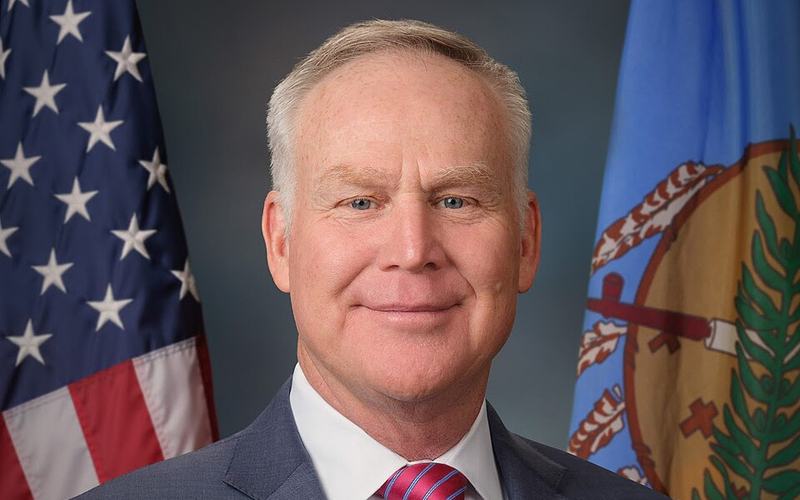
Signatories included Democratic Sens. Jeanne Shaheen of New Hampshire, Richard Blumenthal of Connecticut, Dick Durbin of Illinois, Sheldon Whitehouse of Rhode Island, Jack Reed of Rhode Island, and Chris Coons of Delaware. Republican signers were Sens. Thom Tillis of North Carolina, Susan Collins of Maine, Alan Armstrong of Oklahoma, Lisa Murkowski of Alaska, Mitch McConnell of Kentucky, and John Cornyn of Texas.
The group recommended that Trump instead implement sanctions authorized by the Lindsey O. Graham Sanctioning Russia and Iran Act, which Congress passed and Trump signed into law in September. The senators said those measures would apply pressure on Russia and its enablers, particularly China, to strengthen the U.S. negotiating position.
The letter comes amid ongoing concerns over the Russia-Ukraine conflict and elevated energy prices. Critics from both parties have questioned whether the limited supply volumes would meaningfully affect U.S. fuel costs.

Comments
No comments yet. Be the first to share your thoughts.