
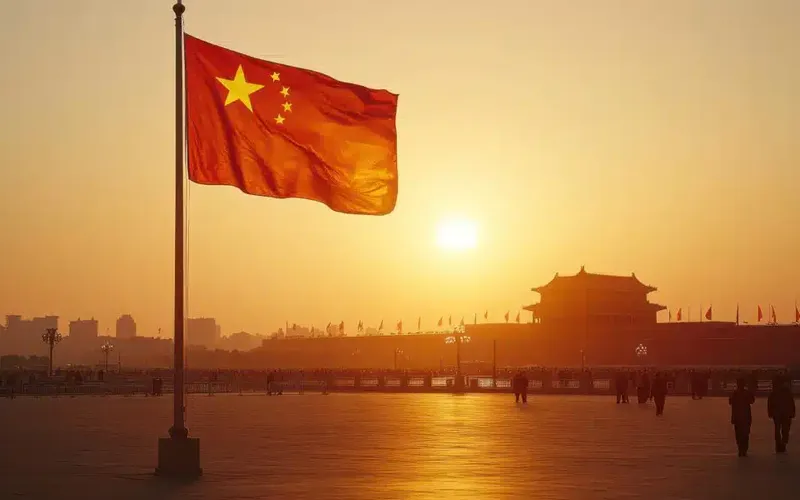
China has transformed its position as the world's largest oil importer into a source of geopolitical leverage during the ongoing war with Iran, according to recent reporting.
The war, which began with U.S. and Israeli strikes on Iran in late February 2026, led to severe restrictions on shipping through the Strait of Hormuz. This disruption threatened global oil supplies, yet crude prices have risen far less than analysts anticipated. China's decision to slash its oil purchases by 23 percent in the first six months of the conflict compared to the prior year played a central role, customs data show.
Beijing drew on massive strategic reserves estimated at 1.2 billion to 1.4 billion barrels. It also relied on extra refining capacity built in recent years and alternative energy sources including coal. These preparations allowed China to cut imports dramatically while maintaining domestic stability.
In the early months of the war, China restricted exports of jet fuel, gasoline, and diesel to neighboring countries. This move underscored its new sway over regional energy markets. As of late August, crude oil prices stood roughly $10 per barrel lower than they would have without China's reduced buying, according to Goldman Sachs oil research head Daan Struyven.
China's crude imports fell sharply from prewar averages near 11.5 million barrels per day. Figures reached lows around 6 million to 7 million barrels per day in mid-2026 before partial recovery. The country continued sourcing discounted Iranian crude where possible despite the blockade.
The developments have positioned China as a swing buyer capable of influencing global prices through demand-side decisions. This contrasts with traditional supply-side leverage held by exporters. Beijing's approach has mitigated what many viewed as a key vulnerability in its energy security.
Analysts note that the strategy aligns with long-term efforts to diversify suppliers and build buffers. Russia, Central Asia, Africa, and Latin America have seen increased Chinese purchases as Middle East flows faced constraints.
The war's oil shock has not materially disrupted China's economy, even as some Asian nations faced fuel rationing or price spikes. Higher fuel costs in China encouraged shifts toward public transit and electric options in certain sectors.
China's role continues to draw attention as the conflict evolves, with the Strait of Hormuz expected to see gradual reopening. Its stockpiles and refining strength have proven decisive in blunting broader market volatility.

Comments
No comments yet. Be the first to share your thoughts.