
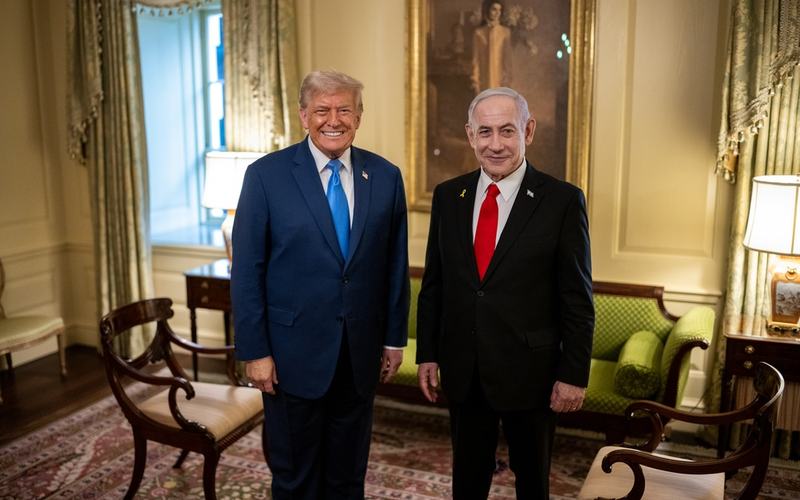
The Jerusalem District Court on Sunday approved a request from Prime Minister Benjamin Netanyahu to delay his testimony in his ongoing corruption trial, citing security and political considerations in the region.
Netanyahu's defense team filed the motion on Friday, asking for at least a two-week postponement. They pointed to 'classified security and diplomatic reasons connected to the dramatic events that have taken place in the State of Israel and throughout the Middle East in recent times.' A sealed envelope containing the details was submitted to the court.
The trial had been set to resume on Sunday after a suspension during Israel's recent war with Iran. A ceasefire was announced on Wednesday, leading to the lifting of a state of emergency and allowing hearings to proceed. However, the defense argued that Netanyahu could not testify for the coming weeks due to these pressing matters.
Shin Bet chief David Zini reportedly supported the request in a letter to the Courts Administration, stating that Netanyahu's public appearance at the trial posed a danger to his life. Zini cited risks from Iranian agents who could exploit knowledge of the prime minister's schedule.
The state prosecution agreed to the delay, telling the court it had 'no other choice' given the security and political reasons. Judges instructed Netanyahu's lawyer, Amit Hadad, to file a separate request by Thursday regarding testimony scheduled for next week. In a rare move, the court also allowed the defense to schedule an additional day for prosecution witnesses to keep the trial moving forward.
Netanyahu faces charges of bribery, fraud, and breach of trust in three cases known as Case 1000, Case 2000, and Case 4000. Indicted in 2019, he denies wrongdoing and has called the proceedings a witch hunt. The trial began in 2020 but has faced numerous delays due to his official duties, including wartime obligations.
This is not the first time security issues have interrupted the case. Previous sessions have been halted or shortened amid terror attacks, hostage developments, and other national security matters. The proceedings come as Netanyahu navigates post-ceasefire diplomacy and domestic challenges ahead of elections.

Comments
No comments yet. Be the first to share your thoughts.