
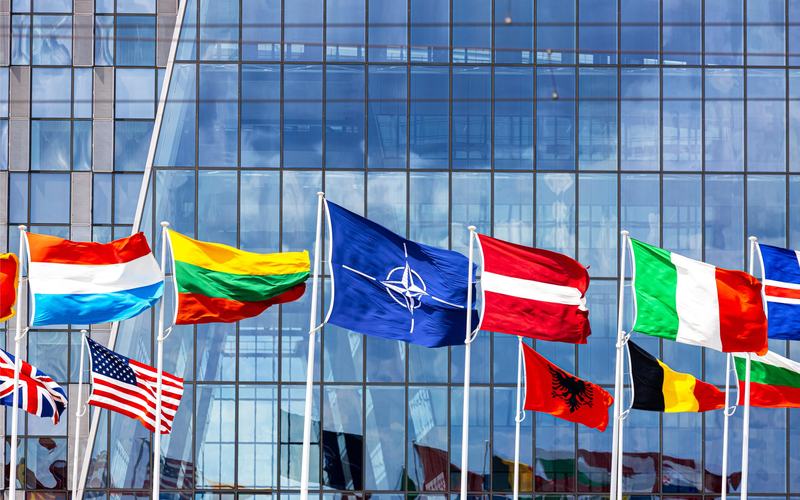
NATO allies, including Britain and France refused on Monday to participate in U.S. President Donald Trump's plan to blockade Iranian ports in the Strait of Hormuz, opting instead for a diplomatic approach to reopen the vital waterway after hostilities end.
The U.S. military implemented the blockade at 1400 GMT, targeting ships entering or leaving Iranian ports and any Iranian fast-attack vessels approaching the line, which Trump warned would be "immediately ELIMINATED." Trump announced the measure on Sunday via Truth Social, stating, "The Blockade will begin shortly. Other Countries will be involved with this Blockade," following the collapse of peace talks in Islamabad, Pakistan, over the weekend.
British Prime Minister Keir Starmer said his country would not support the blockade, emphasizing efforts to safeguard shipping once the conflict ends through a coordinated multinational plan. French President Emmanuel Macron proposed a strictly defensive multinational mission involving about 30 countries, including Gulf states and European nations, to restore navigation as soon as feasible. NATO Secretary General Mark Rutte indicated the alliance could help secure the strait if all 32 members agree, but stressed concrete commitments from allies.
The decision exacerbates tensions within the alliance. Trump has expressed disappointment with NATO, accusing some members of failing during the conflict, including Spain's denial of U.S. access to bases and airspace, and France's restrictions on overflights. A White House official said Trump has "zero expectations" for NATO's help, while Secretary of State Marco Rubio suggested reexamining the alliance's value.
The blockade stems from the ongoing 2026 Iran war, which erupted on February 28 with U.S.-Israeli airstrikes killing Supreme Leader Ali Khamenei and targeting nuclear sites and military facilities. Iran retaliated with missiles on U.S. bases, Israel, and Gulf states, closed the Strait, through which one-fifth of global oil passes, and imposed tolls in Chinese yuan. A fragile ceasefire took effect on April 8, mediated by Pakistan, but collapsed amid Israeli strikes in Lebanon and failed Islamabad talks where Iran rejected U.S. demands on its nuclear program.
Iran warned of a harsh response, with military spokesmen calling the U.S. action "piracy" and threatening Gulf ports and any approaching vessels. Oil prices surged over $100 per barrel amid fears of prolonged disruption. U.S. Energy Secretary Chris Wright predicted further rises before a potential decline once traffic resumes.
Trump maintained that Iran seeks a deal but insisted Tehran cannot possess nuclear weapons or "blackmail the world." Vice President JD Vance labeled Iran's actions "economic terrorism." The EU's Kaja Kallas urged diplomacy, opposing any curbs on navigation. As the blockade entered its ninth hour Monday evening, global markets watched for escalation.

Comments
No comments yet. Be the first to share your thoughts.