
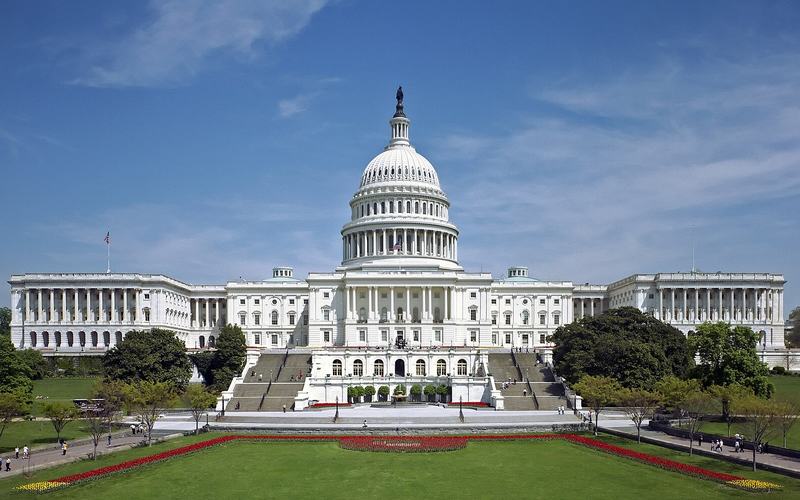
After securing majorities in both the House and Senate in the 2026 midterm elections, Democratic lawmakers are actively considering steep tax increases on high-income individuals, billionaires, and corporations to help finance multitrillion-dollar spending priorities, including healthcare for all and restored social benefits.
Democrats won a historic midterm landslide, flipping control of Congress with roughly 55–56 Senate seats (including independents who caucus with them) to 44 for Republicans and a large House majority projected in the mid-250s. The 120th Congress convenes on January 3, 2027, under divided government: President Donald Trump retains the White House and veto power, while the Senate’s 60-vote filibuster threshold remains in place for most legislation.
Party priorities center on reversing Republican-led cuts to Medicaid and SNAP (food stamps) enacted in the 2025 One Big Beautiful Bill, restoring enhanced Affordable Care Act (ACA) premium tax credits that expired and have driven up premiums for millions, and expanding other benefits such as the Child Tax Credit (CTC) and Earned Income Tax Credit (EITC). House Democratic leader Hakeem Jeffries has highlighted healthcare as the top agenda item, including potential steps like lowering the Medicare eligibility age, covering dental/vision/hearing, and broader affordability measures on housing, energy, and other costs. These proposals carry substantial price tags, with some estimates for restoring Medicaid/SNAP cuts and ACA subsidies alone running into the hundreds of billions or more over a decade. This would come against a backdrop of large federal deficits and debt exceeding 120% of GDP, with rising interest costs.
To offset the costs, Democrats are examining higher taxes on the wealthy and businesses. Expected Senate Finance Committee Chair Ron Wyden (D-OR) has stated that the panel will “redouble its efforts to ensure billionaires pay their fair share” and that “Democrats will spearhead a tax agenda that puts American families first and requires the ultra-rich and corporations to pay their fair share.” He has previously pushed a Billionaires Income Tax (taxing unrealized gains for those with over $1 billion in assets or $100 million in income) and signaled plans to use it or similar measures to fund ACA credit restorations, while also prioritizing healthcare system changes, trade/tariff authority, and corporate oversight. Expected House Ways and Means Chair Richard Neal (D-MA) has outlined an affordability-focused agenda that includes health care costs and more sustainable trade policy, which observers expect will involve additional revenue from upper-income taxpayers.
Specific ideas include raising the corporate tax rate above the current 21%, income surtaxes on millionaires, changes to capital gains and estate tax rules, and targeted measures on data centers/SI investment. More progressive proposals circulating among some lawmakers include wealth taxes or annual taxation of unrealized gains, though these face greater internal and legal hurdles.
A Wall Street Journal report describes Democrats as “torn” over floating new taxes to cover the multitrillion-dollar agenda. Many favor attaching tax increases to spending bills to avoid deepening historically large deficits and because pairing policies that lower consumer costs with higher levies on the wealthy and corporations has political appeal. Even measures likely to be blocked by the filibuster, Republican opposition, or a presidential veto could serve as a “dress rehearsal” for 2029 if Democrats win the White House. At the same time, the best prospects for enacting near-term benefits for constituents probably involve avoiding corporate and individual tax hikes that face strong resistance; some Democrats are wary of rigid “pay-for” commitments that could limit flexibility.
Tax policy analysts, including those at the Tax Foundation, note that while Democrats will prioritize revenue proposals from high earners and businesses, actual enactment of major tax hikes is constrained by the veto and divided government. Proposals advanced in 2027 will nonetheless shape the debate heading into the 2028 elections and any potential unified Democratic control thereafter. Higher taxes on capital and investment, they caution, could dampen long-term economic growth even as they generate revenue.
In the near term, Democrats are expected to emphasize oversight, messaging bills, and possible narrower bipartisan deals, while larger fights over taxes, tariffs, and spending set the stage for the next presidential cycle. The internal debate over how aggressively to pursue revenue increases versus focusing on achievable restorations of benefits will be a defining feature of the party’s 2027 agenda.

Comments
No comments yet. Be the first to share your thoughts.