
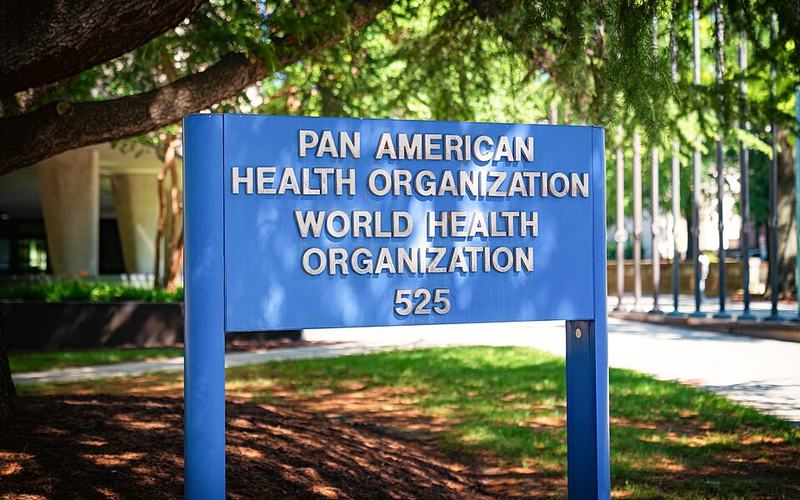
The United States has lost its measles elimination status after the Pan American Health Organization (PAHO) determined that the disease has returned to sustained transmission within the country, ending a public health achievement maintained since 2000.
The decision comes amid a major resurgence of measles across the United States, with the Centers for Disease Control and Prevention reporting 5,412 confirmed cases as of November 12. At least 10 measles-associated deaths have also been reported by state health officials this year, including two additional deaths announced Friday in Pennsylvania and Wisconsin.
The PAHO determination follows a review by the organization's Regional Verification Commission, which examined whether measles transmission had continued uninterrupted for at least 12 months. The commission's assessment concluded that the United States no longer met the requirements for maintaining elimination status. An official announcement from PAHO is expected Tuesday, November 17.
The United States originally achieved measles elimination status in 2000 following decades of vaccination campaigns and public health efforts that stopped sustained domestic transmission of the highly contagious disease.
Under international standards, a country is considered to have eliminated measles when it has stopped continuous, locally transmitted spread of the virus. The designation does not mean that imported cases cannot occur, but it requires that outbreaks be contained before sustained transmission becomes established.
The current resurgence began with a major outbreak in West Texas in January 2025 before spreading through additional states, including Utah, Arizona and other parts of the country. Outbreaks have continued into 2026, with Pennsylvania reporting the largest number of cases.
According to CDC figures, the United States recorded 2,289 measles cases in 2025, compared with 285 in 2024. The 5,412 confirmed cases reported so far in 2026 represent the highest annual total in more than three decades.
The disease has also resulted in hundreds of hospitalizations. Measles is highly contagious and can cause fever, coughing, runny nose, watery eyes and a distinctive rash. Serious complications can include pneumonia, brain inflammation and death, particularly among young children and other vulnerable individuals.
Public health experts have pointed to declining childhood vaccination coverage as a major factor contributing to the resurgence. Measles vaccination coverage among kindergarten students has fallen to approximately 92%, below the roughly 95% level generally needed to prevent widespread outbreaks.
The PAHO designation is not permanent, and countries can regain elimination status after successfully interrupting sustained transmission. Canada lost its measles elimination status in 2025 but subsequently declared its major outbreak over in October 2026. Brazil also regained its designation in 2024 after losing it in 2019.
The loss of status does not automatically change the CDC's existing response to measles outbreaks. CDC Director Dr. Erica Schwartz previously told Reuters that the agency would continue working with state health departments to address infections and contain outbreaks.

Comments
No comments yet. Be the first to share your thoughts.