
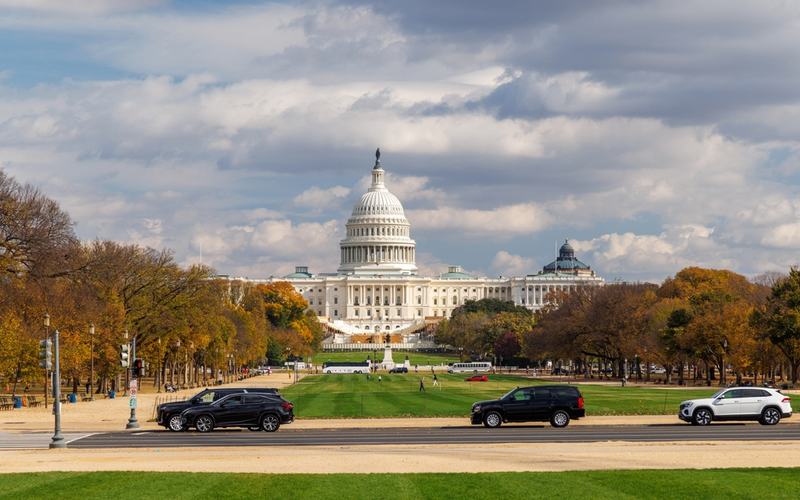
Democrats in Congress are moving quickly to advance legislation that would admit the District of Columbia as the 51st state after gaining seats in the November midterm elections.
House and Senate Democrats have scheduled hearings and introduced bills that mirror previous efforts to convert the federal district into a state with full voting representation. The measures would create two new Senate seats and one House seat while preserving a smaller federal district around key government buildings.
Supporters argue the change would end what they describe as taxation without representation for more than 700,000 residents. Opponents counter that the proposal is a partisan maneuver designed to add reliably Democratic senators and shift the balance of power in the upper chamber permanently.
The District has long been a Democratic stronghold, with voters delivering overwhelming margins for the party in every recent election. Critics note that statehood would bypass the constitutional process for admitting new states and could face legal challenges over the federal enclave requirements in Article I.
Republican leaders have already signaled unified opposition, vowing to block any such bill through the Senate filibuster or procedural votes. Past attempts at DC statehood passed the House along party lines but stalled in the Senate.
Advocates for the measure point to recent population growth and economic contributions from the District as justification for equal status with existing states. Detractors emphasize that the capital's unique role as the seat of the federal government makes traditional statehood incompatible with the framers' design.
No timeline for floor votes has been released, though Democratic aides indicated momentum from the midterm results could accelerate action in the coming months.

Comments
No comments yet. Be the first to share your thoughts.