
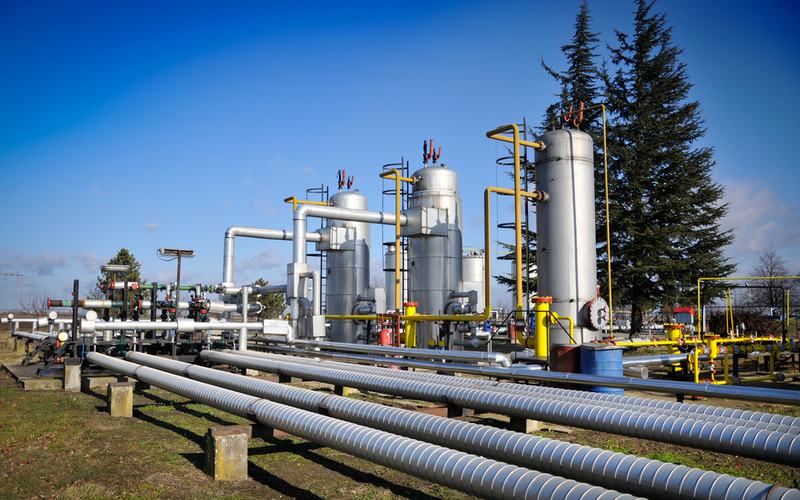
Saudi Arabia's East-West Crude Oil Pipeline sustained damage from drone strikes on September 10 and 11, forcing a precautionary shutdown that removes a vital bypass for crude exports.
The 1,200-kilometer pipeline, which normally moves around 4 million barrels per day from eastern fields to the Red Sea port of Yanbu, was hit at pumping stations in the Riyadh and Medina regions. Satellite imagery showed fires and structural damage at multiple sites. The Saudi government reported several injuries but no deaths.
Officials in Riyadh blamed the attacks on drones launched from Iraqi territory by Iran-aligned militias. The Iraqi prime minister's office later dismissed a military commander in Maysan province after investigations linked launches to that area. No group has claimed responsibility, though U.S. President Donald Trump pointed to Iranian proxies.
The closure comes amid the broader 2026 conflict involving Iran, which has disrupted shipping through the Strait of Hormuz. The pipeline had served as Saudi Arabia's main alternative export route, handling up to 7 million barrels per day at peak capacity.
Industry sources estimate repair times of three to six weeks, though partial restarts may occur sooner. Stocks at Yanbu are projected to last only five to seven days without resumed flows, potentially affecting up to 4 percent of global oil supply.
Oil prices responded sharply. Brent crude rose more than 3 percent on Monday to trade above $107 per barrel, while West Texas Intermediate approached $103. Analysts warn of further upward pressure if the outage extends.
The incident follows earlier strikes on Saudi infrastructure and heightens risks to energy markets already strained by regional instability.

Comments
No comments yet. Be the first to share your thoughts.