
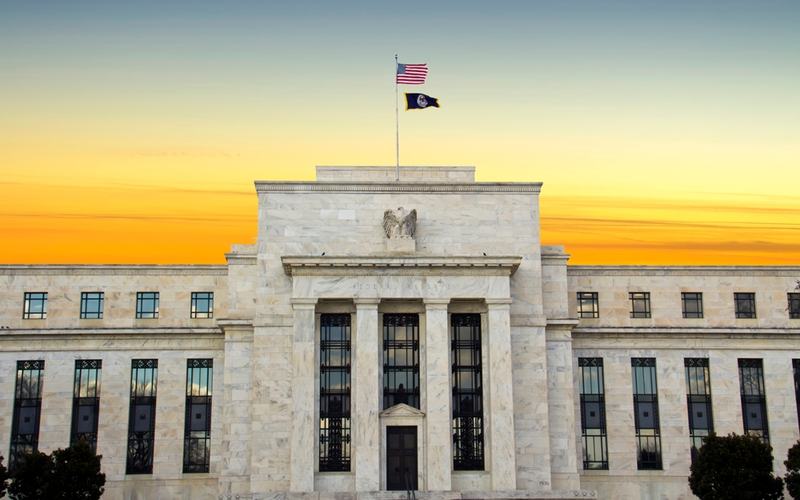
The Federal Reserve on Thursday signaled its intent to implement a major interest rate cut in the coming months, responding to mounting evidence of an economic slowdown. Officials cited softer consumer spending, rising unemployment claims, and decelerating business investment as key factors prompting the shift.
The announcement came during the FOMC's policy meeting, where the benchmark federal funds rate currently stands in the 3.75% to 4% range following the October decision to hold steady. Markets had anticipated some easing, but the explicit signal for a larger-than-expected cut surprised analysts.
Recent economic indicators have painted a picture of cooling momentum. Third-quarter GDP growth came in below expectations, while manufacturing output contracted for the second consecutive month. Inflation measures, though still above the 2% target, have moderated enough to give policymakers room to act.
Fed Chair Kevin Warsh emphasized the need for proactive measures to support employment and growth. "We are committed to achieving our dual mandate, and current conditions warrant a more accommodative stance," Warsh stated in the post-meeting press conference.
This move aligns with a right-of-center perspective favoring policies that prioritize robust economic expansion over excessive tightening. Critics of prolonged high rates argue that they disproportionately burden small businesses and working families.
Background on the Fed's recent path includes the September hike aimed at combating persistent inflation driven by energy prices and strong demand. However, with global uncertainties and domestic indicators softening, the central bank appears ready to pivot.
Financial markets reacted positively to the news, with stock indices rising and bond yields declining. The dollar weakened against major currencies as expectations for lower rates took hold.
Looking ahead, the December meeting is now seen as the likely venue for the first cut, potentially by 50 basis points. Further reductions could follow if slowdown signals intensify.
Economists note that such adjustments could help stabilize housing markets and boost consumer confidence. The Fed's updated projections are expected to reflect lower growth forecasts for the remainder of the year and into 2027.

Comments
No comments yet. Be the first to share your thoughts.