
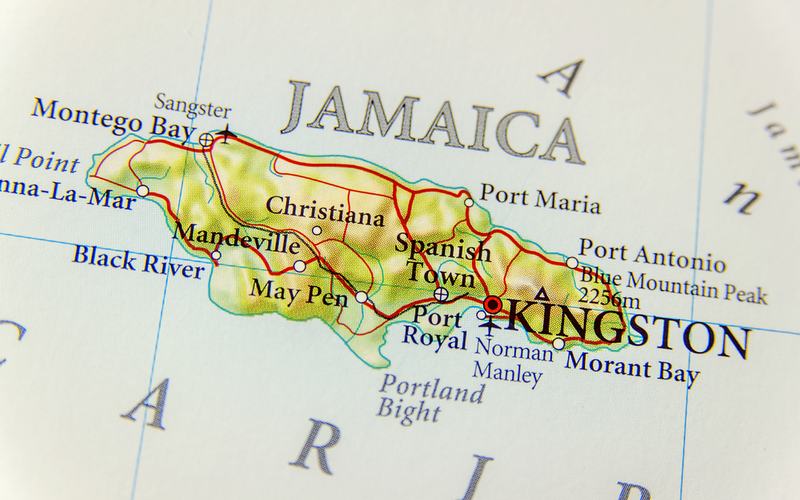
The first flight carrying third-country nationals from the United States arrived in Kingston, Jamaica, on Tuesday, launching a bilateral agreement designed to facilitate the transfer of migrants to their home countries or other destinations.
The 22 adult passengers, including seven women, were processed at Norman Manley International Airport before being transported by bus under police escort to an undisclosed location. Jamaican authorities restricted media access to the arrival.
The agreement, signed in June, allows Jamaica to serve as a temporary transit hub for non-Jamaican migrants being transferred out of the United States. Jamaican officials have capped arrivals at 25 people every two weeks.
In a joint statement Tuesday, Jamaica’s national security and foreign affairs ministries said the arrangement would be supported by the International Organization for Migration and would not be funded by the Jamaican government. Officials also said migrants with criminal histories would not be permitted to transit through the country.
The deal is part of President Donald Trump’s broader effort to expand deportation options and increase cooperation with foreign governments on immigration enforcement.
However, the agreement has faced criticism in Jamaica, where opposition politicians argue the government has not provided sufficient transparency about its terms. Opposition national security spokesperson Fitz Jackson criticized the administration for not presenting the signed agreement to Parliament, while opposition leader Mark Golding demanded an explanation of what Jamaica would gain from the arrangement.
Foreign Affairs Minister Kamina Johnson Smith defended the deal Tuesday, saying the government negotiated it with the protection of Jamaica and its citizens in mind. She added that the United States had not agreed to make the agreement public.
The arrangement joins similar third-country agreements involving nations such as Liberia, Eswatini and Paraguay. The legality of such deportation arrangements is also expected to face scrutiny before the Supreme Court.

Comments
No comments yet. Be the first to share your thoughts.