
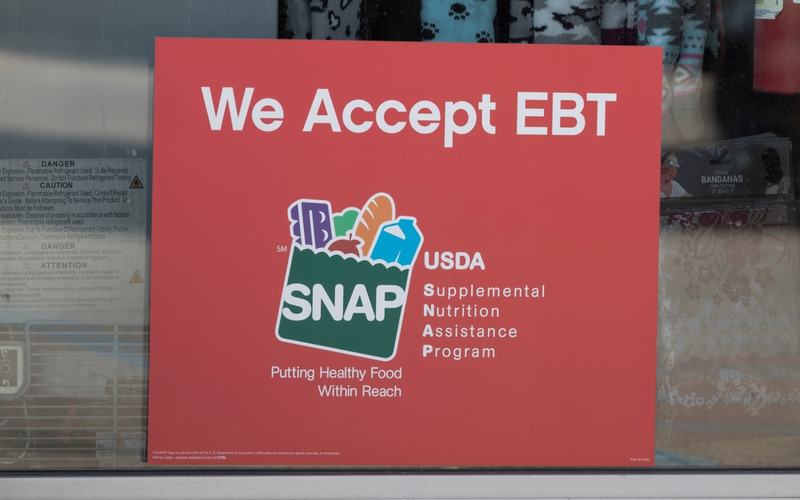
Enrollment in the Supplemental Nutrition Assistance Program fell more than 13 percent over the past 12 months, marking a steeper decline than federal officials had anticipated.
The drop coincides with the implementation of work requirements and other reforms included in President Donald Trump's signature legislative package, often referred to as the "big beautiful bill."
Program participation stood at roughly 41 million individuals in the most recent monthly data, down from about 47 million a year earlier. The reduction reflects both the policy changes and a stronger labor market that has drawn more able-bodied adults into employment.
The legislation strengthened existing work rules for non-elderly, non-disabled adults without dependents, requiring documented employment or job training for continued benefits. States have reported faster processing of cases that no longer qualify under the updated standards.
Administration officials have pointed to the results as evidence that the provisions are operating as designed to promote self-sufficiency while preserving aid for those most in need. The steeper-than-expected fall in rolls has also eased pressure on federal and state budgets allocated to the program.
Earlier projections from the Department of Agriculture had anticipated a more modest reduction of 6 to 8 percent over the same period. The larger decline has prompted some states to adjust outreach and recertification procedures to ensure compliance with the new rules.
The changes apply to the core SNAP program, which remains the primary federally funded food assistance effort serving low-income households nationwide. Officials continue to monitor participation trends as the reforms reach full implementation across all states.

Comments
No comments yet. Be the first to share your thoughts.