
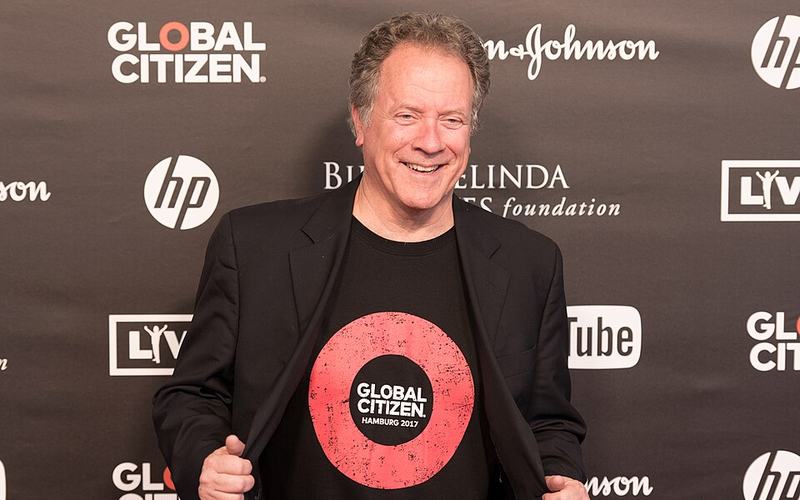
Former South Carolina Gov. David Beasley is weighing a potential presidential campaign in 2028, saying he is exploring a possible run as he seeks to bring Americans together across political divisions.
Beasley, a Republican who served as governor from 1995 to 1999, has been traveling across the country on a 20-city “Breaking Bread Together” tour. The effort is intended to encourage conversations among Americans with differing political views and promote cooperation on issues facing the country.
The former governor has increasingly distanced himself from the Republican Party, recently saying he no longer considers himself a Republican. Beasley has also criticized President Donald Trump’s approach to politics, arguing that the country needs a more unifying message.
Beasley has not committed to running for president and said he is still praying and considering whether to enter the race. He has indicated that he could pursue a campaign as a Democrat or an independent, rather than seeking the Republican nomination.
His recent political activity has included endorsing Democrat Annie Andrews in South Carolina, alongside former Democratic Gov. Jim Hodges. The endorsement further highlighted Beasley’s willingness to work with Democrats as he considers his political future.
Beasley gained national and international recognition after serving as executive director of the United Nations World Food Programme, which received the Nobel Peace Prize during his tenure. His work combating hunger around the world has become a central part of his public profile as he considers a possible presidential campaign.
One of the biggest questions surrounding Beasley’s potential presidential campaign is which party, if any, he would represent. The former governor has said he no longer considers himself a Republican and has criticized the party’s direction under Trump, while his recent endorsement of Democrat Annie Andrews has raised questions about whether he could seek the Democratic nomination.
Beasley has also left open the possibility of running as an independent, which would allow him to pursue his message of political unity without joining either major party. However, he has not announced a decision and remains in the process of considering whether to enter the race.
His eventual party affiliation could play a major role in shaping his campaign, determining whether he challenges Democrats for their nomination, runs outside the two-party system, or takes another political path as he considers a bid for the White House.

Comments
No comments yet. Be the first to share your thoughts.