
President Donald Trump’s administration is facing growing resistance from within its own party over defense policy, with Senate Republicans preparing to block several Pentagon nominees and questioning major military spending proposals.
At least two senior nominees for the Pentagon’s policy office, Austin Dahmer and Alex Velez-Green, are unlikely to receive confirmation before the end of the year, The Washington Post reported Saturday. The two were nominated more than a year ago but reportedly lack enough Republican support to advance.
The opposition reflects a broader dispute over Trump’s America First foreign policy and the role of the United States military overseas. Traditional Republican defense hawks have clashed with Pentagon policy chief Elbridge Colby over military commitments and decisions to reduce American forces in Europe.
The conflict escalated after the Pentagon withdrew an Army brigade from Romania last year. Republican lawmakers said they had not been properly consulted, and House Armed Services Committee Chairman Mike Rogers, R-Ala., accused Colby of misleading him about the decision. Colby denied the allegation.
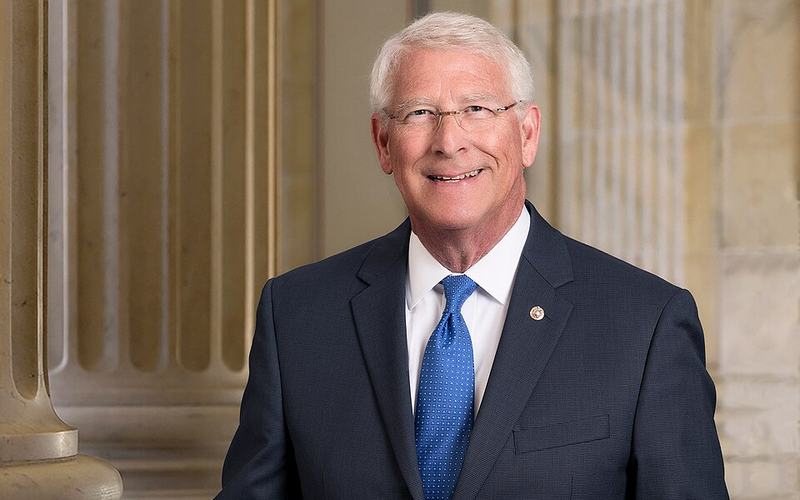
Other nominees have encountered resistance over military policy and technical decisions. During Navy secretary nominee Hung Cao’s confirmation hearing, Senate Armed Services Committee Chairman Roger Wicker, R-Miss., sharply opposed a Pentagon proposal to replace modern electromagnetic aircraft carrier launch systems with older steam-powered technology.
"Returning to steam is a nonstarter and everybody needs to understand that," Wicker told Cao.
Cao also faces Democratic opposition and needs a 60-vote waiver because of his recent military service, adding another obstacle to his confirmation.
Gen. Chris LaNeve, nominated to become Army chief of staff, has also faced resistance from Republicans, including retiring Sen. Joni Ernst, R-Iowa. Ernst said she hoped the nomination could move forward but suggested the decision was largely in the administration’s hands.
The White House is also struggling to build support for an additional $350 billion in defense funding, part of Trump’s broader proposal for a $1.5 trillion defense budget. Senate Majority Leader John Thune, R-S.D., has signaled a preference for negotiating a bipartisan spending agreement rather than attempting to pass the package solely with Republican votes.
White House spokesperson Olivia Wales urged lawmakers to confirm Trump’s nominees "without delay."
The setbacks come as Republicans prepare to surrender control of both chambers of Congress to Democrats in January. The approaching transition will give Democrats control of committee leadership, legislative agendas and congressional oversight, making it more difficult for the administration to advance contested defense policies.
The administration may still renominate Dahmer and Velez-Green next year, a senior Pentagon official told the Post, but their prospects could become more uncertain under a Democratic-controlled Senate.
The Republican divisions highlight the administration’s shrinking opportunity to advance its military agenda before the congressional power shift. With key leadership posts unresolved and major funding proposals facing resistance, Trump could enter the second half of his term confronting a more powerful Democratic opposition while still working to overcome divisions within his own party.

Comments
No comments yet. Be the first to share your thoughts.