
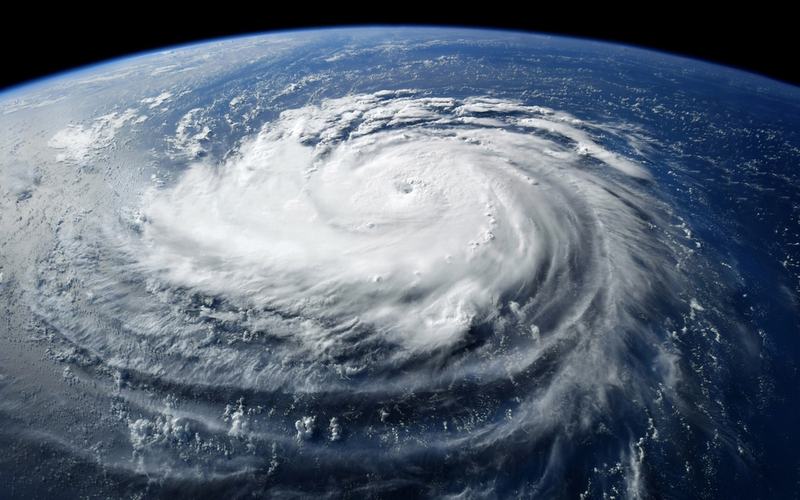
Hurricane Polo, a powerful Category 4 storm with maximum sustained winds near 150 mph, brought bands of heavy rain and dangerous surf to Mexico's southwestern coast on Thursday. The storm's center remained offshore but produced life-threatening flooding and mudslide risks in steep terrain across states including Guerrero, Colima, Jalisco, and Michoacán.
Forecasters at the National Hurricane Center reported that Polo, which briefly reached Category 5 strength earlier in the week, was moving west-northwest and expected to remain a major hurricane for several days. Some strengthening was possible overnight before gradual weakening began. Residents in affected coastal areas stacked sandbags and prepared for high waves and rainfall totals of 4 to 6 inches, with isolated amounts up to 8 inches.
Polo is forecast to approach the Baja California Peninsula early next week as a hurricane, prompting warnings for interests there to finalize preparedness plans. Moisture from the system may also contribute to heavy rainfall and flash flood risks in parts of the southwestern United States later in the weekend and early next week.
Farther west, Tropical Storm Nolo, located about 270 miles south of South Point, Hawaii, intensified and was expected to reach hurricane strength by Thursday night. The storm prompted a hurricane watch for Hawaii County, with forecasts calling for it to become a major hurricane by the weekend and pass near the Big Island.
Officials closed public schools, state, and county offices on the Big Island for Thursday and Friday. Forecasters warned of catastrophic flooding, with rainfall totals of 15 to 20 inches possible on the Big Island and localized amounts exceeding 30 inches. Maui could see 5 to 10 inches, raising risks of life-threatening flash floods and mudslides. A storm surge of 1 to 3 feet above ground, combined with large waves, threatened coastal flooding in low-lying areas.
The active Pacific season has seen multiple storms impact the region, with El Niño conditions contributing to environmental shifts that can fuel such systems. Both storms underscore the need for ongoing vigilance in vulnerable coastal communities.

Comments
No comments yet. Be the first to share your thoughts.