
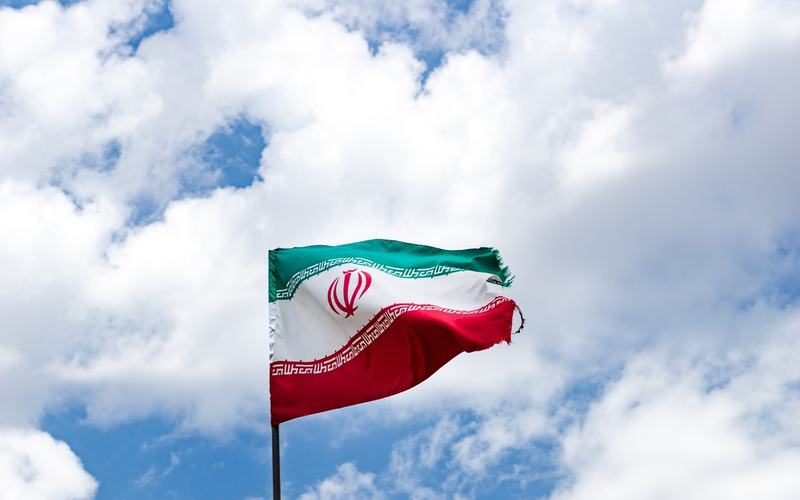
Iran’s top national security adviser warned that the country faces one of its most difficult economic periods in history. Mohsen Rezaei made the comments on Saturday during a government meeting focused on stabilizing the economy after more than seven months of conflict.
The rial has plunged to record lows, trading above 2.5 million to the U.S. dollar in recent days. The currency’s decline accelerated after the United States tightened sanctions and enforced a naval blockade that has largely halted Iranian oil exports. Iran recorded no oil loadings at its export terminals last month for the first time since the 1979 revolution.
Inflation stands near 90 percent, with food prices rising 120 to 150 percent since the war began in February. The International Monetary Fund projects a 5.4 percent contraction in Iran’s GDP this year. Employees across government and private sectors, including nurses and teachers, have posted on social media about quitting jobs because salaries no longer cover basic costs.
Rezaei told the meeting that the security council would offer whatever support it could. State media reported he described the circumstances as among the most difficult the country has faced. President Masoud Pezeshkian acknowledged the worsening conditions on social media and said the government had adopted new measures to manage the situation.
The blockade has cut off Iran’s main revenue source and made imports far more expensive. Analysts note that remaining oil in tankers at sea will run out soon, further straining finances. Protests over living costs occurred last December and were met with deadly force by security services.
U.S. officials have pointed to the economic pressure as a factor in ongoing diplomatic efforts. The combination of sanctions and the naval enforcement has produced measurable effects on Iran’s ability to generate foreign currency and sustain imports.

Comments
No comments yet. Be the first to share your thoughts.