
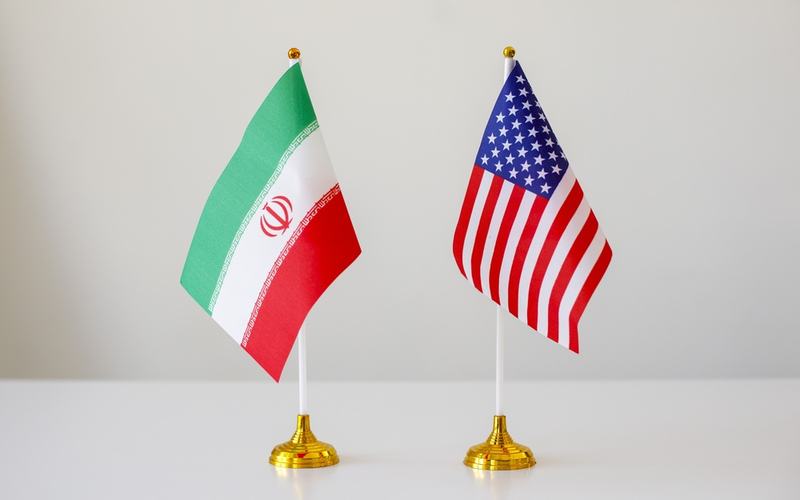
Iran has threatened to target American military installations, warships, airports, pipelines, and other civilian infrastructure across the Persian Gulf if the United States and Israel resume airstrikes, raising concerns about renewed attacks on the region’s energy and communications networks.
Iran is believed to possess hundreds to thousands of ballistic missiles, and analysts say the country has resumed missile production since the war began in February. According to Iran expert Sina Toossi of the Center for International Policy, Tehran increasingly views sustained attacks against its adversaries as necessary to restore deterrence.
Brig. Gen. Yadollah Javani, deputy commander for political affairs of Iran’s Islamic Revolutionary Guard Corps, has also threatened to sever undersea internet cables running through the Strait of Hormuz, a critical passage for international energy shipments and regional communications.
Iranian Foreign Minister Abbas Araghchi warned in an opinion article published by the Financial Times that attacks on civilian infrastructure would endanger lives, destabilize neighboring countries and threaten the global economy.
Farzin Nadimi, an Iran-focused senior fellow at a think tank, said Tehran has the capacity to cause significant damage to regional energy and internet infrastructure. However, he cautioned that such attacks could prompt retaliatory strikes against Iran’s own critical facilities.
President Donald Trump has warned that the United States could strike Iran after the November midterm elections. American and Israeli military officials have reportedly been preparing potential attack plans as tensions remain elevated.
The latest threats come as the United States and its regional allies face declining stocks of air-defense interceptors used to destroy incoming missiles and other aerial threats. Israel has also seen its interceptor supplies fall, raising concerns about the ability to sustain defenses during another prolonged confrontation.
Washington has responded by sending a third aircraft carrier and an additional Marine expeditionary unit to the Middle East. American officials are also working to reduce risks to military personnel and diplomats as the possibility of further fighting persists.
The State Department has taken steps to evacuate nonemergency U.S. government employees and their families from Saudi Arabia amid attacks by Yemen’s Houthi militants, adding to concerns about the security of American personnel across the region.
Iran’s threatened expansion of potential targets beyond military installations could expose critical infrastructure and civilian facilities across the Persian Gulf to greater risk if hostilities resume.

Comments
No comments yet. Be the first to share your thoughts.