
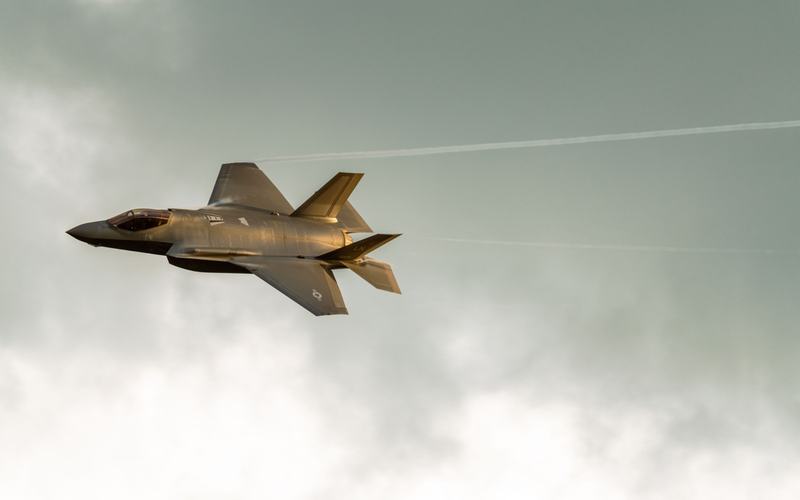
A Nigerian Air Force airstrike targeted a Boko Haram stronghold Saturday night but instead hit a bustling weekly market in Jilli village on the Yobe-Borno border, killing at least 100 civilians, including children. Amnesty International confirmed the toll after speaking with survivors and hospital staff in Geidam, where dozens of injured were treated.
Local councillor Lawan Zanna Nur Geidam reported over 200 feared dead, with residents and a humanitarian official corroborating high casualties among traders and shoppers. "It's a very devastating incident at Jilli Market," Geidam said, noting victims were rushed to hospitals in Yobe and Borno states. Survivor Ahmed Ali, a 43-year-old trader injured in the blast, described the terror: "I became so scared and attempted to run away, but a friend dragged me, and we all lay on the ground."
The military described the operation as a precision strike on an Islamic State West Africa Province (ISWAP) logistics hub and terrorist enclave in the Bindul-Jilli axis, based on intelligence, surveillance, and reconnaissance. Army spokesperson Lt. Col. Sanni Uba said post-strike assessments confirmed destruction of vehicles and neutralization of terrorists, with no admission of error. The Nigerian Air Force announced a probe into possible civilian harm via its Civilian Harm Accident and Investigation Cell, while Yobe state officials acknowledged some marketgoers from Geidam LGA were affected.
Amnesty International decried the strike as "reckless use of deadly force," calling for an impartial investigation. The incident occurred amid Nigeria's decade-long fight against Boko Haram and ISWAP in the northeast, where the insurgency has killed thousands and displaced over two million. Previous airstrikes have also caused civilian deaths, with reports of at least 500 killed since 2017.
Yobe State Emergency Management Agency activated response teams as reports emerged on Sunday. The air force framed the action as mop-up strikes against fleeing militants, exploiting the terrain.

Comments
No comments yet. Be the first to share your thoughts.