
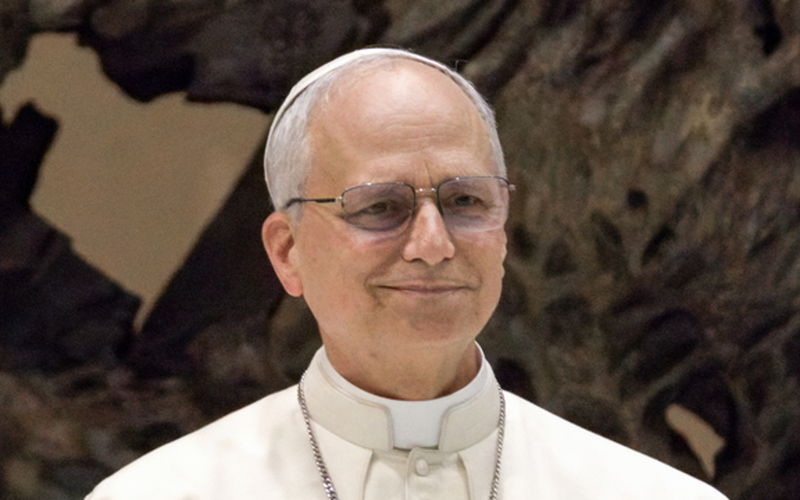
Pope Leo XIV warned against the dangers of artificial intelligence during the first day of his four-day visit to France, cautioning that unchecked technological progress risks creating a dehumanizing "paradise of machines."
Speaking at the Élysée Palace in Paris on Friday, the first American pope urged world leaders and French authorities to prioritize ethical discernment in the development of new technologies. "If we are to avoid losing our humanity amid a paradise of machines invading and conditioning our daily lives, there is an urgent need for education in ethical discernment and the capacity to acknowledge the moral good," he said.
The 71-year-old pontiff referenced French writer Georges Bernanos, who in the mid-20th century warned of similar threats from blind obedience to machines and systems. Leo tied these concerns to his first encyclical, Magnifica Humanitas, which focused on ensuring artificial intelligence serves human dignity rather than dominating it.
The pope also addressed France's secular traditions, noting that authentic secularity should foster dialogue between the state and religious institutions for the common good rather than exclude faith from public life. He invoked France's Christian roots and its historical contributions to human rights.
In addition to AI, Leo expressed concern over other technological and social trends, including genetic manipulation, surrogacy, organ trafficking, and assisted dying. France approved legislation allowing assisted dying for some terminally ill adults in June. The pope described these as profit-driven ventures that undermine human life and dignity.
President Emmanuel Macron welcomed the pope and echoed some cautions about technology, stressing that artificial intelligence must remain a servant to humanity, not its master. The visit marks the first official papal trip to France in 18 years and comes amid expectations of large crowds, including a major outdoor Mass planned for Saturday on the Champs-Élysées.
Leo, whose paternal ancestors were French, will continue his journey to Lourdes and Metz before returning to Rome. His remarks highlight the Catholic Church's ongoing emphasis on placing the human person at the center of technological and ethical debates.

Comments
No comments yet. Be the first to share your thoughts.