
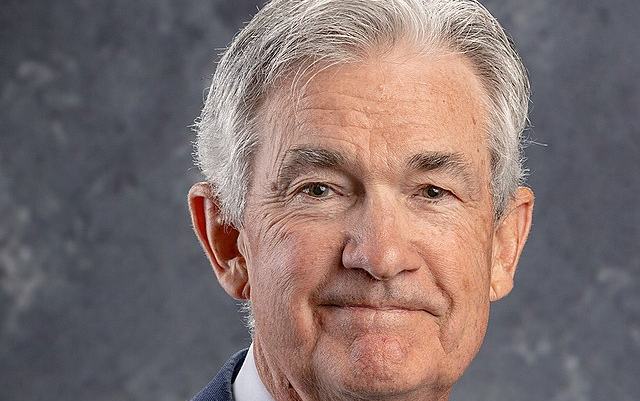
Federal Reserve Chair Jerome Powell announced Wednesday that he will step down from the top position on May 15 but remain on the Fed's Board of Governors for a period to be determined. The decision came after the Federal Open Market Committee voted to hold the benchmark interest rate steady in the 3.50%-3.75% range for the third consecutive meeting, citing persistent inflation at 3.3% above the 2% target and a cooling job market with unemployment at 4.3%.
Powell, whose four-year term as chair expires next month, emphasized that recent legal actions against the Fed influenced his choice to stay. "The things that have happened really in the last three months have left me no choice but to stay until I see them through," he said during a press conference following the FOMC meeting. He plans to maintain a low profile and vowed not to serve as a "shadow Fed chair." "There's only ever one chair," Powell stated, pledging support for his successor.
The announcement follows a Justice Department criminal investigation into the Fed's headquarters renovation in Washington and allegations that Powell misled Congress about the project's costs. Launched by U.S. Attorney Jeanine Pirro, the probe drew subpoenas that a court quashed as pretextual. The DOJ dropped the criminal aspect last Friday, referring it to the Fed's inspector general, but Pirro reserved the right to reopen if new evidence emerges. Powell insisted he would depart only when the matter achieves "finality and transparency."
Powell described the scrutiny as unprecedented attacks battering the institution's independence. "I worry that these attacks are putting at risk the ability to conduct monetary policy without taking into consideration political factors," he said. The probe stalled President Trump's nominee for chair, former Fed Governor Kevin Warsh, until Senator Thom Tillis lifted his hold Sunday after assurances the threats had ended. The Senate Banking Committee advanced Warsh's nomination on a party-line vote on Wednesday.
Trump has repeatedly criticized Powell for maintaining higher rates amid demands for cuts to ease borrowing costs. He threatened to fire Powell, framing the renovations as evidence of incompetence, though presidents can remove Fed governors only for cause such as malfeasance. The tensions echo earlier efforts, including an attempt to oust Governor Lisa D. Cook over unsubstantiated fraud claims, now before the Supreme Court.
Powell's board term runs until January 2028, making his continued service unusual in modern history. The last chair to stay on after their term was Marriner Eccles, who served three more years until 1948. By remaining, Powell prevents Trump from immediately securing a board majority, as outgoing member Stephen Miran departs post-confirmation.
Warsh, who advocates Fed reforms including model overhauls and balance sheet adjustments, faces a divided FOMC where three members dissented on forward guidance and one favored an immediate cut. Markets await Senate confirmation as inflation pressures from global energy prices persist.

Comments
No comments yet. Be the first to share your thoughts.